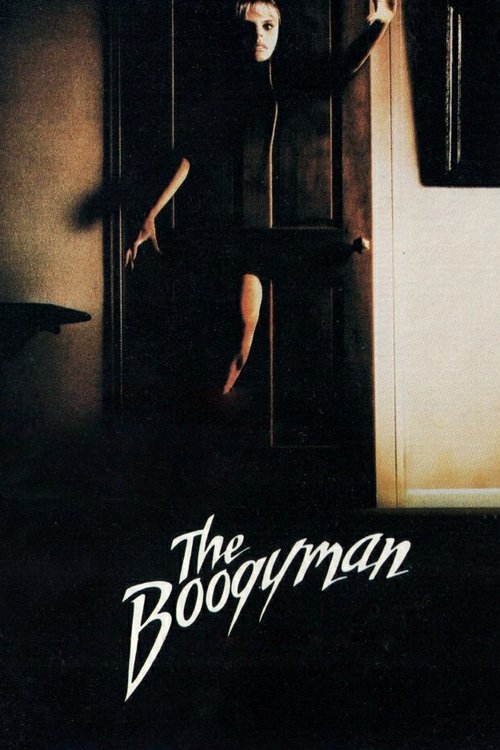
The Boogeyman
1982
No user ratings available yet
Diversity score: 1.1 out of 10
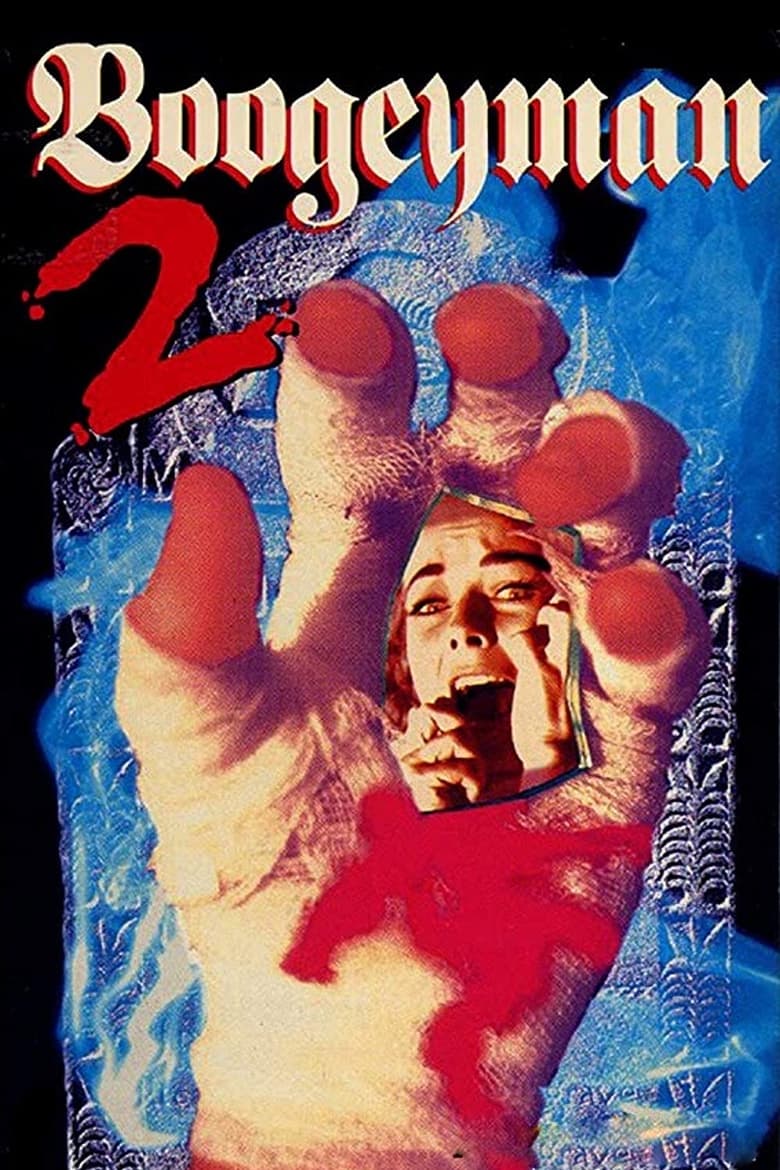
1983
Not RatedDirector
Ulli Lommel, Bruce Pearn
Runtime
79 minutes
Average Rating
No ratings yetSynopsis
Lacey, the shaken survivor of a bloody supernatural rampage in the countryside, is flown to Los Angeles where a slick movie producer plans to cash in on her story. At a decadent Hollywood party, plans for the beginning of a new horror movie franchise are torn asunder when a fragment of the original haunted mirror turns these hotshot movers and shakers into screamers and quakers!
Overall Score
Limited
Category Breakdown
LGBTQ+ Representation
The film lacks any evidence of non-cisnormative identities. It adheres to standard 1980s horror archetypes, focusing on survival and industry exploitation rather than queer narratives.
Gender Representation
A female survivor provides central agency, yet her trauma is primarily commodified by male-dominated industry interests. Power dynamics remain rooted in traditional, male-centric hierarchies.
Racial & Ethnic Diversity
The Hollywood setting suggests a homogeneous group of industry professionals. There is no indication of a non-white majority cast or diverse casting patterns.
Religious & Cultural Diversity
The film critiques the predatory nature of capitalism and the commodification of suffering. However, this critique is framed through genre tropes rather than systemic deconstruction.
Disability Representation
The protagonist's psychological trauma is presented through the lens of a 'shaken survivor.' This leans toward victim tropes rather than granting agency over mental health.
Strengths
Areas for Improvement
AI Analysis
Boogeyman II functions as a meta-commentary on the horror industry, focusing on how trauma is commodified for profit. While it offers a critique of Hollywood capitalism, the film remains a traditional genre piece. It relies heavily on established 1980s horror conventions. The narrative architecture prioritizes supernatural thrills and industry exploitation over progressive character development or intersectional representation. Ultimately, the film lacks the intentionality needed to disrupt social hierarchies, opting instead for conventional casting and archetypes typical of low-budget exploitation cinema.
1982

1994

1980
2003

1980

2011

1992

1987

1990

1988
1974

2005
No reviews yet. Be the first to share your thoughts on this movie!
Use the rating form above to leave a star rating and optional review.