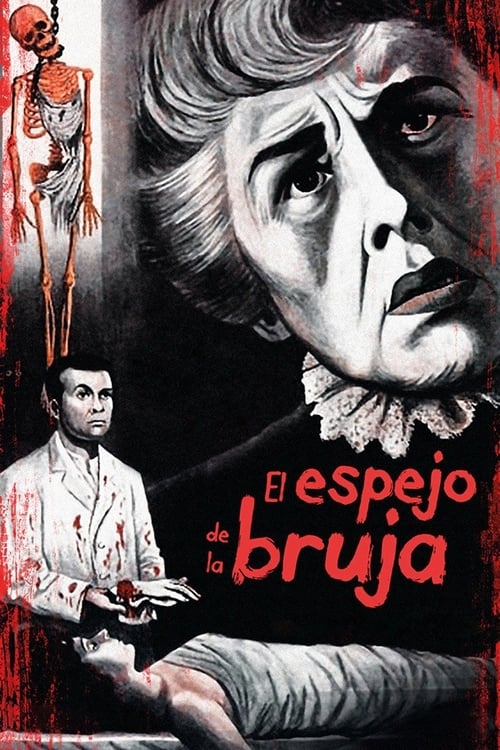
The Witch's Mirror
1962
No user ratings available yet
Representation score: 3.0 out of 10

Representation Score
Minimal
1980
RDirector
Ulli Lommel
Runtime
82 minutes
Average Rating
No ratings yetNew Showbiz Analysis
The Boogey Man is a classic horror film that prioritizes creating an eerie atmosphere and supernatural elements over social commentary. It adheres to established conventions of the era, without challenging them. The narrative structure centers on familial trauma and a curse, emphasizing individual psychological isolation. This approach leads to a lack of layered representation or socially progressive themes. Overall, the film reflects the demographic and ideological standards of 1980s independent cinema, without significantly disrupting traditional social, racial, or gender hierarchies.
Category Breakdown
The film does not include any LGBTQ+ characters or stories. The interpersonal relationships center around a traditional nuclear family setup.
The movie employs the 'final girl' cliché common in 1980s horror. It emphasizes female victimization rather than subverting traditional power structures.
The cast is predominantly white and reflects a homogeneous demographic typical of low-budget urban horror films. There is no indication of intentional racial diversity or inclusive casting.
The storyline operates within a conventional Western framework. It avoids addressing anti-religious or anti-capitalist themes, focusing instead on individual psychological fear.
There is no significant depiction of neurodivergence or physical disabilities. Psychological distress is portrayed as a response to supernatural events.
Present on Screen
Limited or Absent
Official Synopsis
A young girl witnesses the brutal murder of her stepfather at the hands of her brother, by mirror reflection. Years later, when the mirror is accidentally shattered, a dark and vengeful curse is unleashed on the family, and anyone unlucky enough to come into contact with its shards falls victim to heinous murder.
1962
1977
1988
1960
1989
1972
2017

1963
No reviews yet. Be the first to share your thoughts on this movie!
Use the rating form above to leave a star rating and optional review.