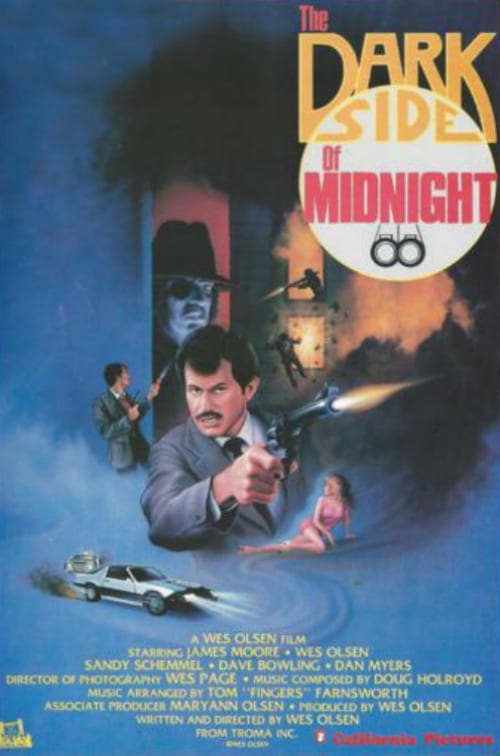
The Dark Side of Midnight
1984
No user ratings available yet
Representation score: 1.4 out of 10
Representation Score
Fair
1974
PGDirector
Oliver Stone
Runtime
94 minutes
Average Rating
No ratings yetNew Showbiz Analysis
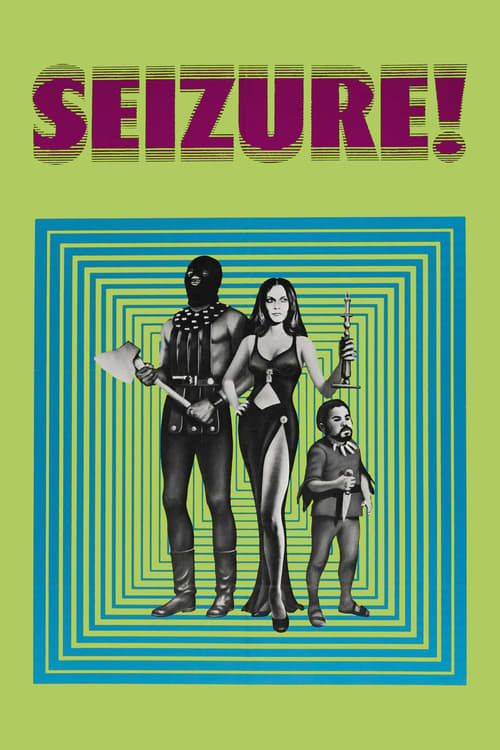
Seizure operates as a standard 1970s horror film, relying heavily on archetypal figures to drive its narrative of carnage. While it introduces a female antagonist, the film’s structure remains rooted in traditional genre clichés. The use of physical differences, such as a dwarf and a scarred strongman, suggests a tendency to use disability as a tool for horror rather than a means of representation. This approach prioritizes shock and archetype over nuanced character development. Ultimately, the film lacks the multi-layered complexity or systemic critique necessary to move beyond its era's conventional casting and narrative boundaries. It remains a psychological study of a creator's nightmare rather than a subversion of social hierarchies.
Category Breakdown
The film does not include any LGBTQ+ characters or non-assuming gender matches what was assigned at birth identities. The social dynamics revolve around a traditional house party with friends and family.
The film features a central female antagonist known as the 'Queen of Evil,' which offers a departure from typical female roles. However, the portrayal relies on physical characteristics that reinforce traditional gender power dynamics.
The cast and characters appear to be predominantly white and Anglo-Saxon, lacking significant characters who reflect more than one aspect of diversity of diverse backgrounds.
The storyline delves into psychological instability and the collapse of social structures. It focuses on the subjective horror of a disturbed author's nightmares, without explicit systemic critiques.
Characters such as Spider and Jackal use their physical differences as horror archetypes. These portrayals risk treating disability as a plot device rather than a meaningful character trait.
Present on Screen
Limited or Absent
Official Synopsis
A disturbed author's house party becomes a scene of carnage when three of his homicidal creations appear.
1984
1977
1973
1964
1977
1987
2002
2005
No reviews yet. Be the first to share your thoughts on this movie!
Use the rating form above to leave a star rating and optional review.