Impact
1949
No user ratings available yet
Representation score: 1.4 out of 10
Representation Score
Minimal
1934
PassedDirector
Charles Hutchison
Runtime
62 minutes
Average Rating
No ratings yetNew Showbiz Analysis
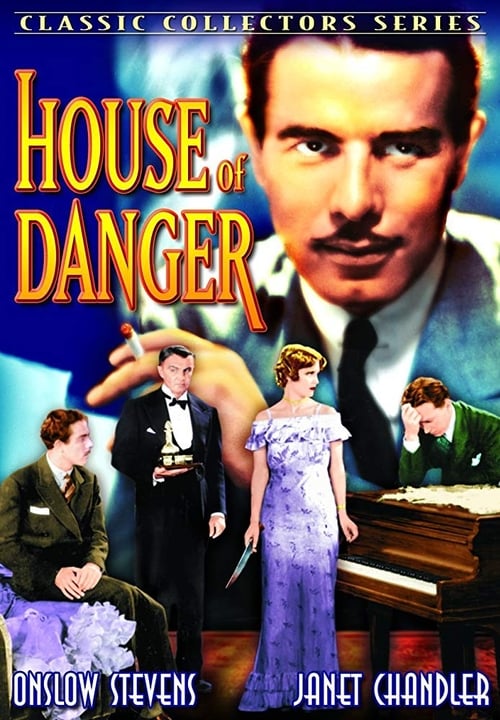
House of Danger is a typical 1930s genre thriller that prioritizes a classic heroic arc over social complexity. The narrative relies on a protagonist using deception to restore order, adhering strictly to the era's conventional formulas. The film maintains traditional social hierarchies, particularly regarding gender roles and ability to act. It functions as a straightforward mystery without attempting to critique systemic power or explore diverse perspectives.
Category Breakdown
The film does not include any characters with non-straight relationships or identities. The plot revolves around a typical thriller narrative focused on a man protecting a woman.
The story upholds mid-century gender roles through a protector/protected dynamic. The male protagonist leads the investigation while the female character is portrayed as needing protection.
The film likely reflects the homogeneous casting practices of 1934 Hollywood. There is no indication of non-Anglo-Saxon characters or diverse racial representation.
The narrative aligns with traditional Western views on law and order. It emphasizes individual heroism and morality without delving into diverse cultural perspectives.
A character's injury serves solely as a plot device for deception. There is no meaningful exploration of disability or characters with lived experiences of impairment.
Present on Screen
Limited or Absent
Official Synopsis
To protect a young woman's life, a man pretends to be her injured friend so he can investigate a murder and capture the killers.
1949

1930

1939
1983
1950
1931
1938
1951
No reviews yet. Be the first to share your thoughts on this movie!
Use the rating form above to leave a star rating and optional review.