The Eye 2
2004
No user ratings available yet
Representation score: 6.0 out of 10
Representation Score
Limited
2004
RDirector
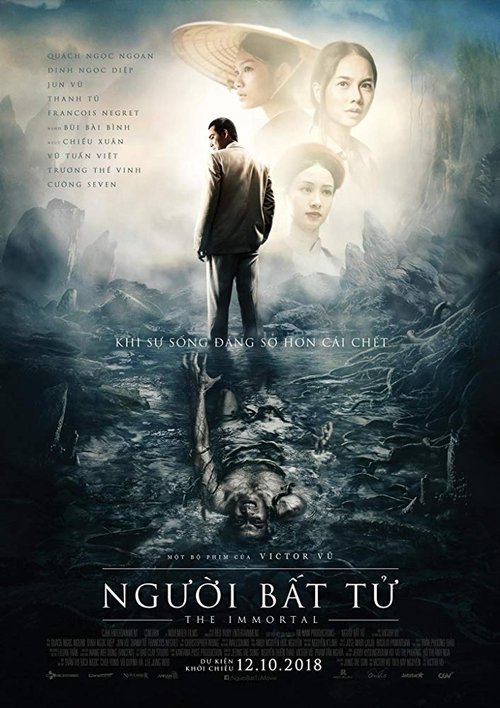
Victor Vũ
Runtime
120 minutes
Average Rating
No ratings yetNew Showbiz Analysis
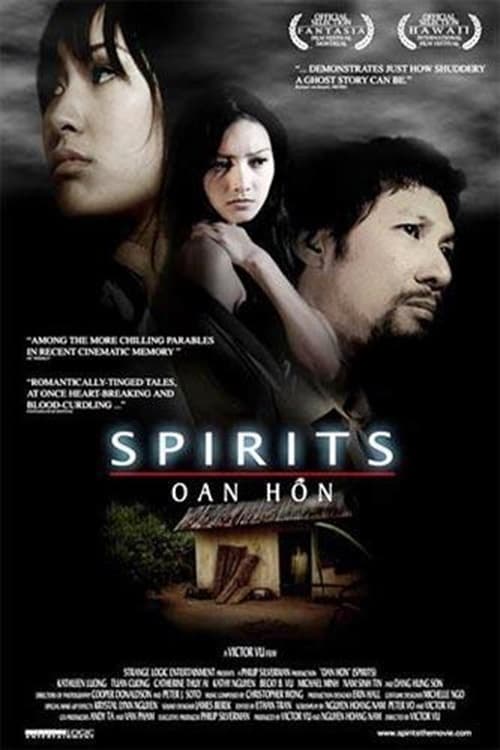
Spirits succeeds as a culturally specific horror-thriller that rejects Western narrative dominance. By embedding the story in Vietnamese spiritualism and Feng Shui, it offers a sophisticated, non-Western perspective on the genre. However, the film's diversity is limited by its reliance on traditional heterosexual relationships. Additionally, the narrative uses physical illness primarily as a plot device rather than exploring disability with genuine ability to act. Ultimately, the film excels in its ethnic authenticity and its use of localized belief systems to create a complex, non-linear story.
Category Breakdown
The film focuses on heterosexual relationships between the main character and female characters. There is no indication of queer-coded subtext or non-cisgender identities.
Female characters like Hoa, Linh, and Lan play key roles in driving the plot. They have significant control over the story rather than being passive victims within the domestic sphere.
As a Vietnamese production, the film centers on local cultural perspectives. It emphasizes ethnic authenticity through its specific cultural setting.
The narrative incorporates local belief systems, such as Feng Shui and spiritualism, rather than relying on Western secular frameworks. It embraces moral complexity through subjective, situational ethics.
The protagonist's illness serves mainly as a plot device to isolate the character. It does not provide a meaningful exploration of lived disability or neurodivergence.
Present on Screen
Limited or Absent
Official Synopsis
This story is divided in three chapters. 1) "The Visitor": The drifter writer Tran Thanh Loc arrives in an old house and is lodged by the gorgeous Hoa. Along the days, he falls in love for her and discloses the truth about the hostess. 2) "Only Child": Loc is sick, totally disconnected of the world, but his nurse Linh heals him. He writes the best-seller The Visitor about his relationship with Hoa and becomes a successful writer. He proposes and marries Linh, but when he decides to have a baby, Linh is haunted by her hidden obscure past. 3) "The Diviner": Linh's parents send the fraudulent diviner Lan to use her pretentious knowledge of Feng Shui to help Loc, and she sees ghost in the house. Her son and aspirant writer Bao does not believe on his mother until he finds a surprising secret about Loc.
2004
2007
2014
2021
2018
2005
1993
2018
No reviews yet. Be the first to share your thoughts on this movie!
Use the rating form above to leave a star rating and optional review.