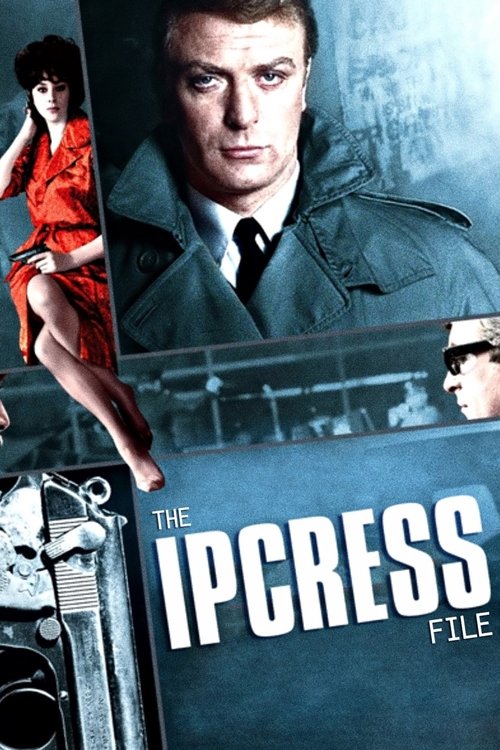
The Ipcress File
1965
No user ratings available yet
Representation score: 1.4 out of 10
Representation Score
Minimal
1967
NRDirector
Sidney Lumet
Runtime
115 minutes
Average Rating
No ratings yetNew Showbiz Analysis
The film is a period-specific thriller that emphasizes suspense and conspiracy over disrupting social hierarchies. It stays rooted in the demographic norms of 1960s mainstream cinema. While Elsa's backstory as a Holocaust survivor adds a layer of historical trauma and ethnic identity, this does not extend to broader diversity. The narrative focuses on individual ability to act within institutional settings rather than identity politics.
Category Breakdown
The film adheres to a traditional framework that assumes everyone is straight or cisgender. There are no non-cisgender identities or same-sex relationships among the characters.
Elsa plays a significant role in the story through her survivalist background. However, the portrayal of the protagonist's wife relies on outdated ideas about marital infidelity.
The cast is predominantly made up of white, middle-class professionals. While Elsa's history as a Holocaust survivor adds ethnic depth, the overall ensemble lacks racial diversity.
The story centers on Western institutions and the Foreign Office, exploring post-war European trauma. However, it does not critically examine Western capitalism or religious institutions.
There is no representation of physical, sensory, or neurodivergent disabilities in the main narrative or supporting roles.
Present on Screen
Limited or Absent
Official Synopsis
Charles Dobbs is a British secret agent investigating the apparent suicide of Foreign Office official Samuel Fennan. Dobbs suspects that Fennan's wife, Elsa, a survivor of a Nazi Germany extermination camp, might have some clues, but other officials want Dobbs to drop the case. So Dobbs hires a retiring inspector, Mendel, to quietly make inquiries. Dobbs isn't at all sure as there are a number of anomalies that simply can't be explained away. Dobbs is also having trouble at home with his errant wife, whom he very much loves, having frequent affairs. He's also pleased to see an old friend, Dieter Frey, who he recruited after the war. With the assistance of a colleague and a retired policeman, Dobbs tries to piece together just who is the spy and who in fact assassinated Fennan.
1965
1967
1962
1969
1963

1946
1989

1965
No reviews yet. Be the first to share your thoughts on this movie!
Use the rating form above to leave a star rating and optional review.