Phil
2019
No user ratings available yet
Diversity score: 3.5 out of 10
2003
Director
Mike Bencivenga
Runtime
93 minutes
Average Rating
No ratings yetSynopsis
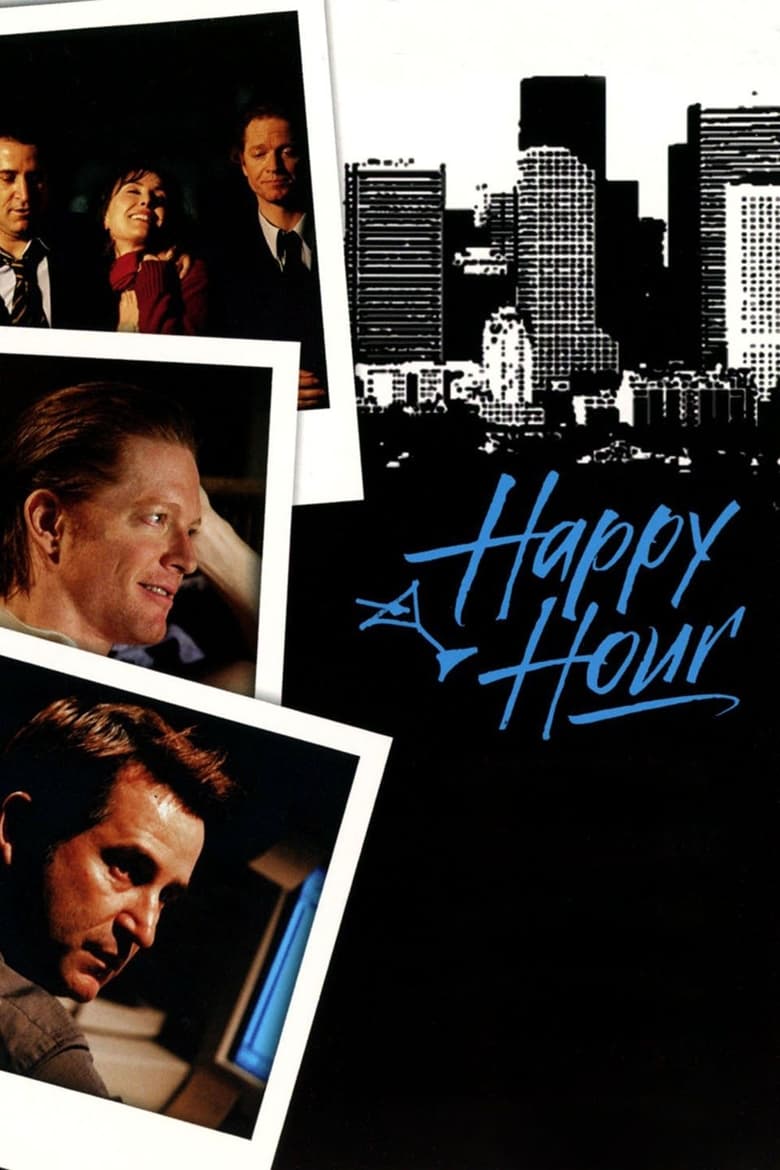
Tulley, a once-promising literary star now biding his time as an advertising copy editor, moves from cynicism to acceptance as he secretly hopes to write a great novel only to learn that his life of booze will end all too soon. Levine, his best friend and Natalie, the woman who might have saved him, suffer the pain of Tulley's anger and rejection.
Overall Score
Limited
Category Breakdown
LGBTQ+ Representation
The film lacks evidence of LGBTQ+ characters or non-heteronormative dynamics. The narrative focuses on a central triad, suggesting a conventional interpersonal structure without queer identity.
Gender Representation
Natalie is framed as a potential emotional anchor for the protagonist. This positioning risks utilizing traditional tropes where female characters serve as restorative figures for men.
Racial & Ethnic Diversity
The story centers on professional and personal status within a potentially homogeneous social milieu. There is no explicit mention of racial or ethnic diversity in the cast.
Religious & Cultural Diversity
The narrative explores secular themes of cynicism and personal dysfunction. It lacks an explicit critique of Western institutions or the promotion of diverse social frameworks.
Disability Representation
Addiction is presented as a personal struggle causing interpersonal friction. The film does not clearly offer a nuanced exploration of mental health or neurodivergence.
Strengths
Areas for Improvement
AI Analysis
Happy Hour is a character-driven study of alcoholism and professional disillusionment. The narrative focuses heavily on the personal decline of its protagonist, Tulley, and the resulting impact on his immediate social circle. While the film explores psychological complexity, it lacks intersectional depth. The character dynamics appear to follow traditional patterns, particularly regarding gender roles and social homogeneity. Ultimately, the film functions as a conventional drama. It prioritizes individual struggle over systemic critique or diverse representation, resulting in a narrow narrative scope.
2019
2004

2008
1981

2020

2011
2006

2022

2015
2013
1999
2004
No reviews yet. Be the first to share your thoughts on this movie!
Use the rating form above to leave a star rating and optional review.