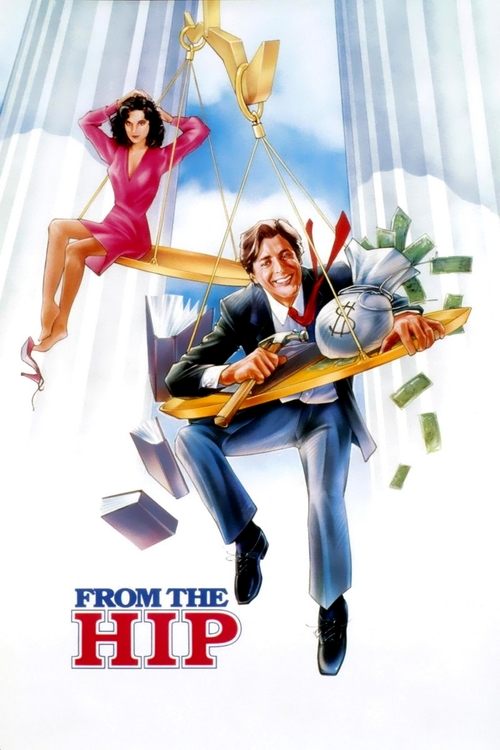
From the Hip
1987
No user ratings available yet
Diversity score: 3.7 out of 10

1981
RDirector
Glenn Jordan
Runtime
120 minutes
Average Rating
No ratings yetSynopsis
A boozy Broadway actress comes out of a 12-week cure to face the problems of her best friends as well as her needy daughter. She tries to balance the terrors of returning to work with the demands of all around her with humor and insight, while staying off the booze.
Overall Score
Fair
Category Breakdown
LGBTQ+ Representation
The film lacks documented LGBTQ+ characters or narratives. The story focuses on traditional romantic and social structures within an urban setting.
Gender Representation
The narrative centers on female subjectivity and agency. By focusing on a woman's emotional landscape and maternal demands, it disrupts traditional male-centric tropes.
Racial & Ethnic Diversity
The film appears to follow conventional 1980s casting norms. It focuses on a specific middle-class, urban social circle without evidence of a diverse ensemble.
Religious & Cultural Diversity
The story operates within traditional social realism. It explores personal recovery and familial responsibility rather than critiquing Western institutions or religious structures.
Disability Representation
The protagonist's struggle with alcohol addiction introduces themes of mental health and dependency. This serves primarily as a vehicle for character development and emotional drama.
Strengths
Areas for Improvement
AI Analysis
Only When I Laugh is a character-driven domestic drama that prioritizes female subjectivity. It succeeds in centering a woman's perspective through her journey of recovery and professional navigation. However, the film lacks intersectional breadth. It adheres to the established social and narrative norms of the early 1980s, focusing on personal struggles rather than systemic critique. The representation is limited by its era, offering a nuanced look at female strength while remaining within conventional social frameworks.
1987

2003

1988

2008
1996

2022
1990

2015
2016
1986

1998
2018
No reviews yet. Be the first to share your thoughts on this movie!
Use the rating form above to leave a star rating and optional review.