
Duane Hopwood
2005
No user ratings available yet
Representation score: 1.6 out of 10
Representation Score
Limited
2004
RDirector
Peter Riegert
Runtime
93 minutes
Average Rating
No ratings yetNew Showbiz Analysis
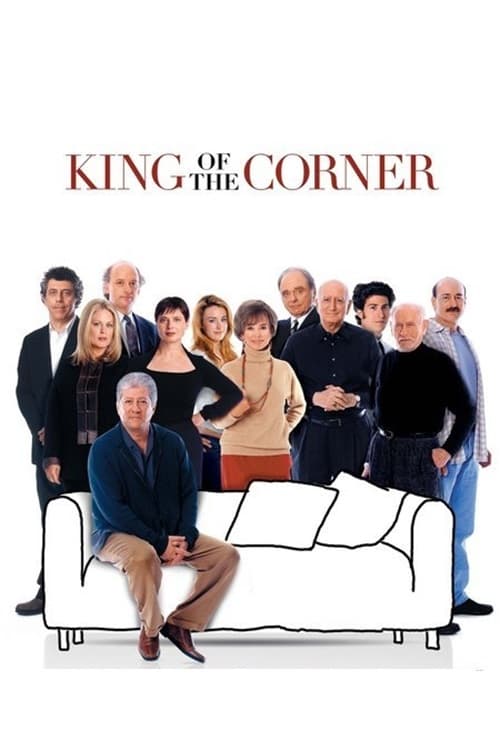
King of the Corner is a character-driven drama that prioritizes traditional familial and religious themes. The story follows a central male figure navigating a personal crisis, keeping the narrative scope relatively narrow and conventional. While the film incorporates Jewish cultural elements, it lacks a broad spectrum of identities. The representation leans heavily on established archetypes of the family unit and religious guidance. Ultimately, the film functions as a study of individual growth and mid-life transitions. It does not appear to seek to disrupt social hierarchies or provide significant representation for underrepresented groups.
Category Breakdown
The film focuses on traditional family structures involving a husband, wife, and daughter. There are no queer narratives or non-cisgender identities present in the story.
The narrative centers on a male protagonist's mid-life crisis. Female characters appear in traditional domestic roles, such as a rebellious daughter and a frustrated wife.
The story highlights Jewish identity through the protagonist's surname and the presence of a rabbi. It focuses on specific cultural nuances rather than a multi-ethnic ensemble.
Themes of religious guidance and familial reconciliation drive the plot. The film relies on traditional wisdom and personal redemption rather than exploring broader systemic or secular critiques.
The available information contains no mention of characters navigating physical, mental, or neurodivergent disabilities.
Present on Screen
Limited or Absent
Official Synopsis
Leo Spivak is drifting through life without a compass. His father is aging fast, his teenage daughter is rebelling, his protégé is after his job and his wife is losing her patience. A twist of fate and some bizarre wisdom from a "freelance rabbi" help Leo navigate the murky waters of his life and turn his crisis into a second-chance.
2005

1998
1996
2024
1996

2006
1995
2001
No reviews yet. Be the first to share your thoughts on this movie!
Use the rating form above to leave a star rating and optional review.