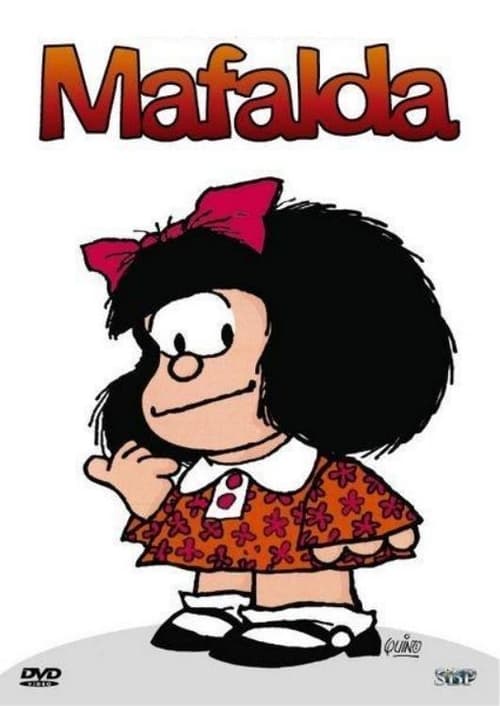
Mafalda
1993
No user ratings available yet
Representation score: 9.3 out of 10
Representation Score
Good
1982
Director
Carlos Márquez
Runtime
82 minutes
Average Rating
No ratings yetNew Showbiz Analysis
The film is a sophisticated critique of mid-century social structures, rooted in Quino's legacy of intellectual skepticism. It prioritizes systemic critique over conventional moralizing. Its primary strength lies in subverting traditional hierarchies by positioning a young girl as a profound existential thinker. While the film provides a strong cultural counter-narrative to Western hegemony, it remains limited by its period-specific framework and lacks explicit representation of LGBTQ+ identities or disability.
Category Breakdown
The film does not depict same-sex intimacy or non-cisgender identities. It maintains a neutral stance regarding LGBTQ+ identities.
Mafalda challenges traditional gender roles by being a highly intelligent female protagonist who is not passive or domesticated. She plays a significant role in driving the story with her intellect.
As an Argentine production, the film offers a non-Anglo-Saxon perspective. It centers Latin American intellectualism and provides a cultural counter-narrative to Hollywood storytelling.
The film critiques Western institutions such as organized religion and capitalism. It portrays skepticism towards traditional authority as a form of intellectual rebellion.
There are no characters with visible or invisible disabilities playing a central role in the story.
Present on Screen
Limited or Absent
Official Synopsis
Mafalda is an exceptional child, since her curiosity, world view and existential consciousness are broader than those of almost all human beings.
1993

1976

1976

2012
1999

1984

1973

2007
No reviews yet. Be the first to share your thoughts on this movie!
Use the rating form above to leave a star rating and optional review.