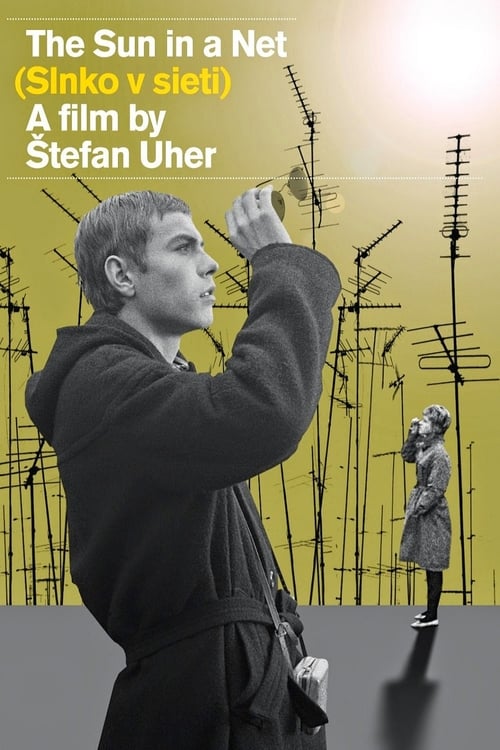
If I Had a Gun
1971
No user ratings available yet
Diversity score: 5.3 out of 10

1967
Director
Štefan Uher
Runtime
93 minutes
Average Rating
No ratings yetSynopsis
A film adaptation of the novelette of the same title written by Dominik Tatarka depicts the life of a young generation of artists that was formed in Slovakia during the war. Anabella, a young and beautiful girl meets a group of artists. She awakens their erotic desires but also pure feelings of love; she becomes the object of their secret fantasies as well as their artistic inspiration. And it seems that the boundaries between reality and fantasy suddenly cease to exist.
Overall Score
Fair
Category Breakdown
LGBTQ+ Representation
The film explores erotic desires and secret fantasies that blur the lines between reality and fantasy. While specific non-heteronormative identities are not explicitly confirmed, the focus on subjective desire suggests a departure from conventional social scripts.
Gender Representation
Anabella serves as a powerful catalyst rather than a passive figure, driving the emotional evolution of the male artists. Her presence disrupts male stability and reshapes their reality, subverting traditional gender hierarchies.
Racial & Ethnic Diversity
The story focuses on a specific cohort of Slovak artists during a period of regional conflict. This localized lens emphasizes national identity and cultural survival rather than multi-ethnic or global diversity.
Religious & Cultural Diversity
The narrative prioritizes individual experience and subjective morality over institutional stability. By centering a generation of artists, the film frames the pursuit of art as a rebellion against restrictive social orders.
Disability Representation
There is no evidence regarding the portrayal of physical or neurodivergent disabilities within the narrative.
Strengths
Areas for Improvement
AI Analysis
Štefan Uher’s work utilizes lyrical realism to explore human subjectivity and the subversion of social structures. The film succeeds in centering female agency, positioning Anabella as a transformative force that destabilizes the male-dominated artistic circle. However, the film remains culturally localized, focusing on a specific Slovak demographic during wartime. This narrow focus limits its broader racial and ethnic representation. While the exploration of desire suggests a nuanced approach to intimacy, the lack of explicit evidence regarding LGBTQ+ identities or disability representation prevents a higher diversity score.
No reviews yet. Be the first to share your thoughts on this movie!
Use the rating form above to leave a star rating and optional review.