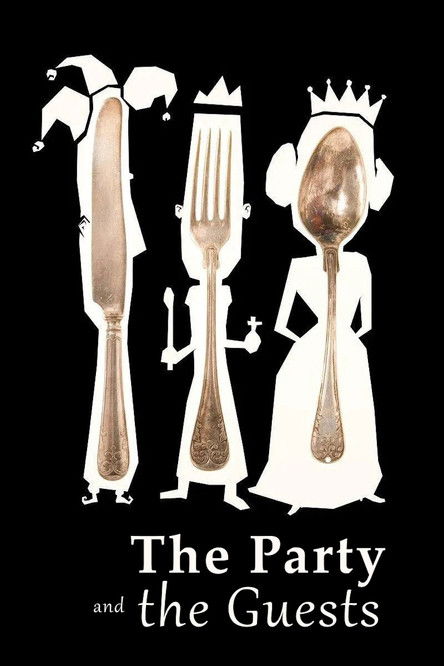
The Party and the Guests
1966
No user ratings available yet
Representation score: 5.7 out of 10
Representation Score
Excellent
1992
Director
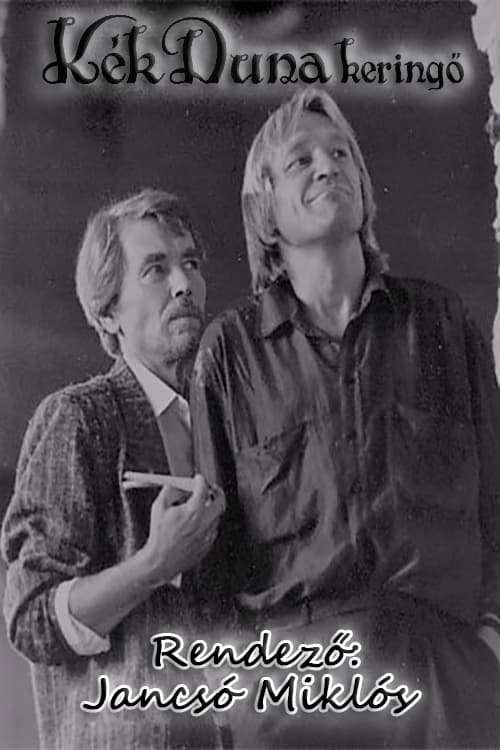
Miklós Jancsó
Runtime
90 minutes
Average Rating
No ratings yetNew Showbiz Analysis
Miklós Jancsó’s film is a sophisticated political thriller that uses visual symbolism to dismantle the perceived stability of the state. It succeeds in challenging traditional gender roles by centering a woman as the primary driver of systemic change. The film excels at cultural critique, blending fantasy and reality to challenge institutional power. However, it lacks explicit evidence regarding racial diversity or disability representation, focusing instead on regional political dynamics. Overall, the work is a formalist study of power that favors systemic inquiry over traditional hero-driven morality.
Category Breakdown
The film uses symbolic imagery that hints at a departure from typical family dynamics. Although specific identities aren't detailed, the narrative language suggests non-traditional interpersonal relationships.
A female protagonist serves as the main catalyst for political upheaval through an assassination. Her significant role disrupts traditional gender hierarchies found in political thrillers.
The cast likely reflects Central European demographics due to the Hungarian setting. The film prioritizes political and class-based dynamics over overt racial diversity.
The narrative offers a postmodern critique of state-sanctioned truths and institutional stability. It uses irony to explore the fragility of political authority and official histories.
There is no evidence of characters with visible or invisible disabilities. It remains unclear if neurodivergence or physical disability is used as a narrative tool.
Present on Screen
Limited or Absent
Official Synopsis
When Hungary's newest prime minister is shot and killed at a reception, the resulting investigation is necessarily swift and comprehensive. This compelling political thriller uncovers two prime suspects: the woman who guns the leader down, and a man who was friends with both the prime minister and his murderer. Using video surveillance footage, as well as other more artful and symbolic imagery, the noted "visualist" director Miklos Jancso, who is known for his craft in getting his points across non-verbally, combines fantasy and reality in a highly ironic manner.
1966
1969

1987
1979
1989
1990
1982
1983
No reviews yet. Be the first to share your thoughts on this movie!
Use the rating form above to leave a star rating and optional review.