
King Lear
1988
No user ratings available yet
Representation score: 7.5 out of 10
Representation Score
Good
1987
Director
Aki Kaurismäki
Runtime
89 minutes
Average Rating
No ratings yetNew Showbiz Analysis
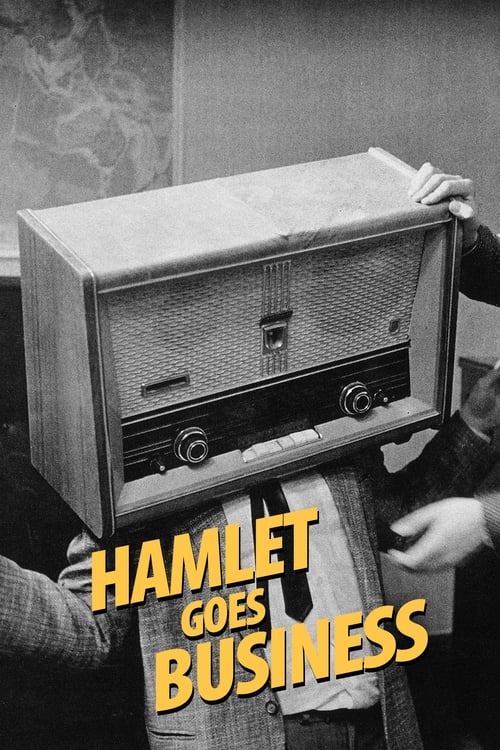
Hamlet Goes Business is a postmodern deconstruction that prioritizes systemic and class-based critique over demographic representation. It serves as a sharp satire of capitalist institutions and economic survival. While the film scores low in traditional identity categories like race, gender, and LGBTQ+ representation, it excels in cultural subversion. It uses a familiar literary framework to challenge established social and economic hierarchies. Ultimately, the film's value lies in its portrayal of individuals navigating a fragmented, impersonal social structure.
Category Breakdown
The film does not prominently feature LGBTQ+ identities or give queer characters significant roles. Its minimalistic style avoids reinforcing traditional heterosexual norms, but it also doesn't actively promote LGBTQ+ themes.
The story focuses on a male-dominated business environment. It avoids glorifying traditional masculine leadership by emphasizing survival, but it does not provide strong roles for female characters or challenge gender hierarchies.
The film's urban setting is homogeneous, reflecting a Scandinavian context. The narrative emphasizes class-based identity over racial or ethnic diversity, showing no blend of different backgrounds.
Kaurismäki reimagines Shakespearean tragedy through absurdist entrepreneurship. This approach criticizes capitalist structures and challenges the traditional sanctity of the Western literary canon.
The film does not prominently depict physical or invisible disabilities. It focuses on the socioeconomic conditions of the characters rather than addressing neurodivergence or disability.
Present on Screen
Limited or Absent
Official Synopsis
When Hamlet discovers his father’s deceased body, he finds himself pulled into a power struggle as his scheming uncle attempts to secure a monopoly on the Scandinavian rubber duck industry. Will Hamlet avenge his father? Will he become the king of rubber ducks? Does any of it really matter?
1988
1986
1991
1988
2001
1998

1999

1989
No reviews yet. Be the first to share your thoughts on this movie!
Use the rating form above to leave a star rating and optional review.