
The Bra
2019
No user ratings available yet
Representation score: 2.6 out of 10
Representation Score
Fair
1996
Director
Alex van Warmerdam
Runtime
103 minutes
Average Rating
No ratings yetNew Showbiz Analysis
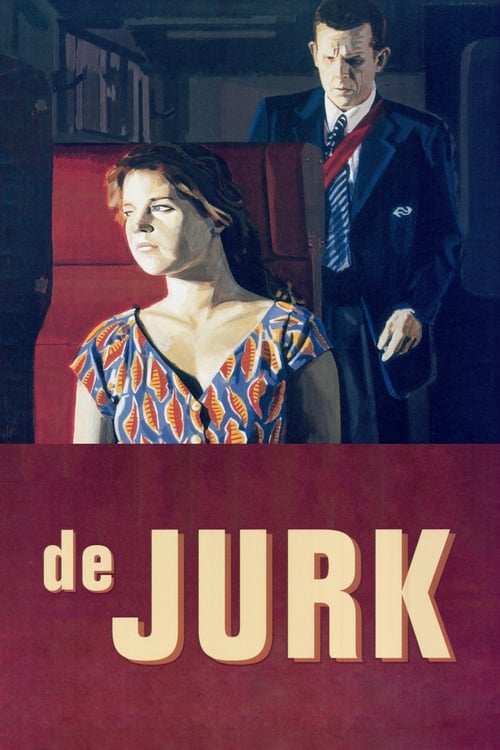
The Dress is a work of Dutch surrealism that prioritizes aesthetic deconstruction over demographic representation. Its value lies in its postmodern disruption of narrative logic and its rejection of stable moral structures. However, the film remains traditional in its social composition. The homogeneous setting and focus on psychological obsession rather than multi-layered identity result in a low diversity profile. Ultimately, the film functions as an avant-garde character study that favors the uncanny over social inclusivity.
Category Breakdown
The film explores themes of fetishism and obsession through a male protagonist. However, it lacks explicit LGBTQ+ identities or narratives that question the assumption that everyone is straight or cisgender.
The narrative centers on a male perspective focused on a feminine object. While it avoids submissive clichés, it lacks female characters who play a significant role in driving the story.
Set in a rural Dutch landscape, the film depicts a largely homogeneous environment. There is no evidence of diverse casting or intentional racial blending.
The film rejects traditional Western moral frameworks in favor of a surreal, subjective reality. It prioritizes the uncanny over standard social or ethical structures.
Mental instability and obsession drive the plot and create surreal tension. These elements function as narrative tools rather than nuanced depictions of lived neurodivergent experiences.
Present on Screen
Limited or Absent
Official Synopsis
The story of a summer dress and those who have to do with it, especially the train conductor (played by van Warmerdam, the director). The dress functions as catalyst for the whimsical events, which turns out to be either tragic or hilarious.
2019
1998
2017

1976
1953
2008
1987
2003
No reviews yet. Be the first to share your thoughts on this movie!
Use the rating form above to leave a star rating and optional review.