
Hamlet Goes Business
1987
No user ratings available yet
Representation score: 6.4 out of 10
Representation Score
Fair
2001
RDirector
Jonathan Parker
Runtime
85 minutes
Average Rating
No ratings yetNew Showbiz Analysis
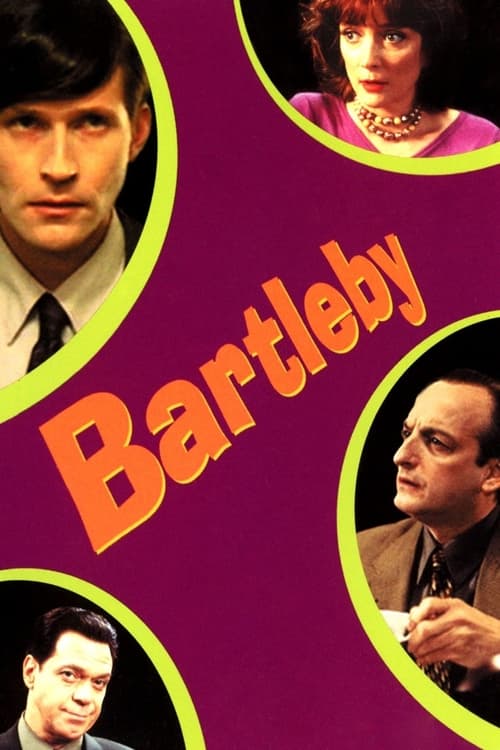
Bartleby (2001) is an intellectually rigorous adaptation that prioritizes thematic critique over demographic representation. It serves as a critique of dehumanizing corporate structures and the erosion of individual autonomy within modern bureaucracy. While the film excels in its systemic critique of capitalism, it falls short in terms of traditional identity-based inclusion. The narrative emphasizes existential conflict rather than diverse social identities. Ultimately, the work succeeds as a postmodern reconfiguration of existentialism, despite its limitations in terms of a homogeneous cast and a lack of gender and LGBTQ+ visibility.
Category Breakdown
The film does not include explicit LGBTQ+ identities or non-straight relationships. It focuses on the relationship between the employer and the clerk, which is centered around traditional heterosexual dynamics.
The professional environment is portrayed as male-dominated, with the central conflict between two male characters limiting the role of women. This reinforces traditional gender roles and hierarchies.
The film features a relatively uniform cast, depicting a standard image of the white-collar professional class without significant racial diversity.
The film effectively critiques Western institutions and modern bureaucracy through Bartleby's passive resistance, challenging the morality and effectiveness of capitalist systems.
The film treats themes of mental isolation and existential withdrawal as philosophical states rather than clinical disabilities. It does not focus on neurodivergent or disabled perspectives.
Present on Screen
Limited or Absent
Official Synopsis
An adaptation of Herman Melville's short story "Bartleby, the Scrivener" told in the setting of a modern office.
1987

1989
2002
1998

1976

2020

2002

2023
No reviews yet. Be the first to share your thoughts on this movie!
Use the rating form above to leave a star rating and optional review.