The Girl from the Other Side
2023
No user ratings available yet
Diversity score: 5.8 out of 10
2022
Not RatedDirector
Keiichi Hara
Runtime
116 minutes
Average Rating
No ratings yetSynopsis
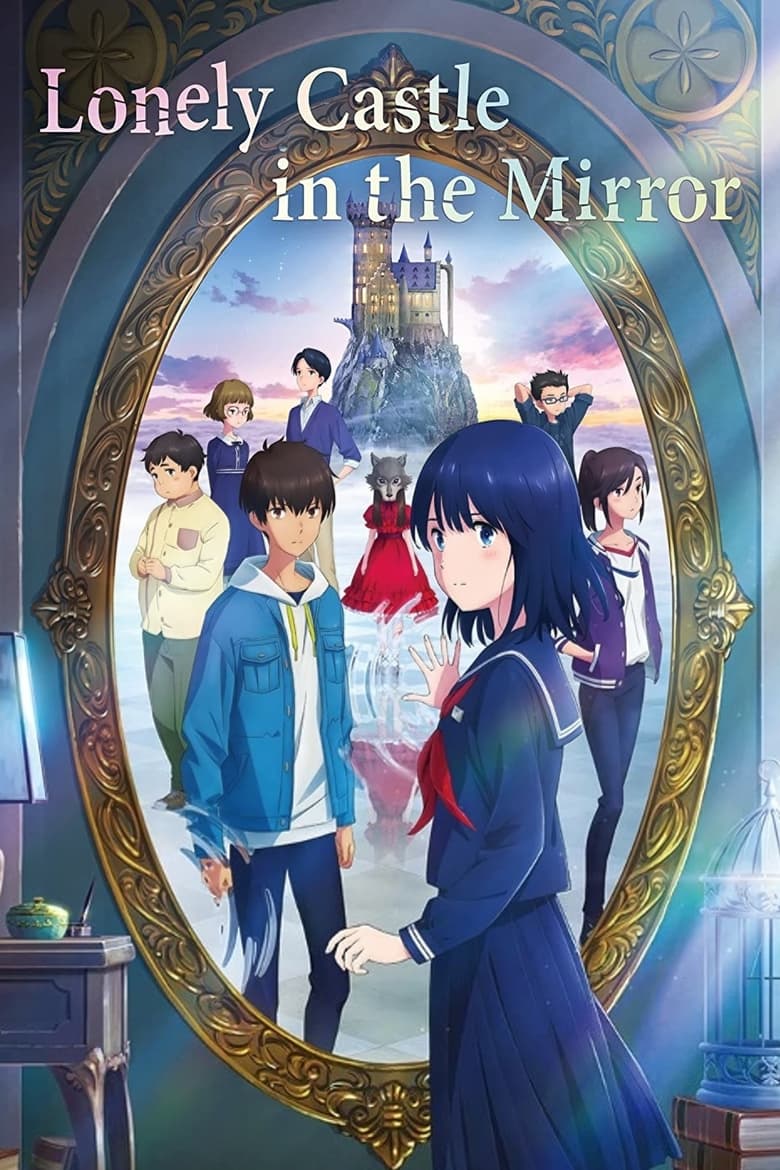
Shy outcast Kokoro has been avoiding school for weeks when she discovers a portal in her bedroom mirror. She reaches through and finds herself transported to an enchanting castle where she is joined by six other students. When a girl in a wolf mask explains that they have been invited to play a game, the teens must work together to uncover the mysterious connection that unites them. However, anyone who breaks the rules will be eaten by a wolf.
Overall Score
Fair
Category Breakdown
LGBTQ+ Representation
The film focuses on shared trauma and deep emotional intimacy among middle schoolers. However, it lacks explicit depictions of non-cisnormative identities or same-sex romantic pairings.
Gender Representation
Kokoro, a female protagonist, leads the story through psychological resilience. The cast maintains a balanced mix of genders, prioritizing emotional vulnerability over traditional masculine or feminine archetypes.
Racial & Ethnic Diversity
Set in a modern Japanese context, the cast is relatively homogeneous. The narrative functions within a culturally specific framework without significant racial or ethnic blending.
Religious & Cultural Diversity
The story critiques modern institutions like schools and families as sites of alienation. It validates social withdrawal as a response to systemic bullying and institutional pressure.
Disability Representation
The film offers a profound look at invisible disabilities, including social anxiety and neurodivergence. Characters navigate mental health struggles with high agency rather than being objects of pity.
Strengths
Areas for Improvement
AI Analysis
Lonely Castle in the Mirror is a nuanced psychological drama that prioritizes internal emotional landscapes over demographic breadth. It excels in its empathetic portrayal of mental health, treating social anxiety and the trauma of bullying with significant agency and respect. The castle serves as a vital metaphor for those navigating psychological isolation. While the film lacks explicit LGBTQ+ or racial diversity, it succeeds in deconstructing traditional authority. By framing the school system and nuclear family as sources of disconnection, it shifts the focus from institutional conformity to individual emotional survival. Ultimately, the film's strength lies in its sophisticated handling of neurodivergence and social alienation, even as it remains within a culturally specific, homogeneous social framework.
No reviews yet. Be the first to share your thoughts on this movie!
Use the rating form above to leave a star rating and optional review.