
The Spy Who Came In from the Cold
1965
No user ratings available yet
Representation score: 2.7 out of 10
Representation Score
Limited
1986
PGDirector
Mick Jackson
Runtime
89 minutes
Average Rating
No ratings yetNew Showbiz Analysis
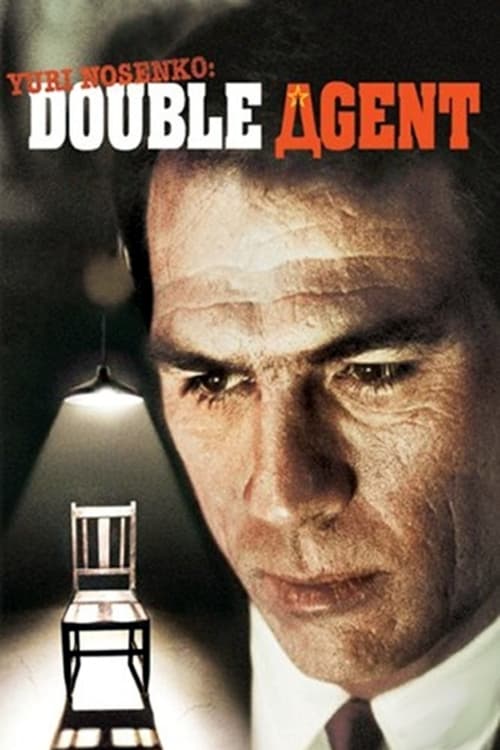
Double Image is a historical procedural that examines individual ability to act against systemic oppression. It uses the defection of Yuri Nosenko to explore the tension between Western and Soviet intelligence structures. However, the film is constrained by the social realities of its era and the genre's traditional focus. The narrative remains centered on specific geopolitical actors, limiting its broader diversity. While the film challenges the idea of a singular truth, it does not significantly expand representation beyond the primary ethnic and gendered power dynamics of the Cold War.
Category Breakdown
The film does not include any LGBTQ+ characters or narratives. It focuses on the geopolitical and espionage-driven tensions of the 1960s.
The main character and his interactions with male intelligence officers hold the majority of the ability to act. This reflects the male-dominated intelligence hierarchies typical of the era.
The narrative centers around Anglo-American and Slavic perspectives. It provides limited diversity beyond these primary actors involved in the Cold War conflict.
The film critiques the monolithic authority of the Soviet state. It explores moral ambiguity and the inherent distrust of state institutions through the lens of defection.
There is no documented evidence regarding the portrayal of physical or neurodivergent disabilities in this biographical account.
Present on Screen
Limited or Absent
Official Synopsis
This film tells the true-life story of Yuri Nosenko, a top Soviet KGB agent who defected to the West at the height of the Cold War in 1962.
1965
1969
1988
2009
1989

1977
1986
1966
No reviews yet. Be the first to share your thoughts on this movie!
Use the rating form above to leave a star rating and optional review.