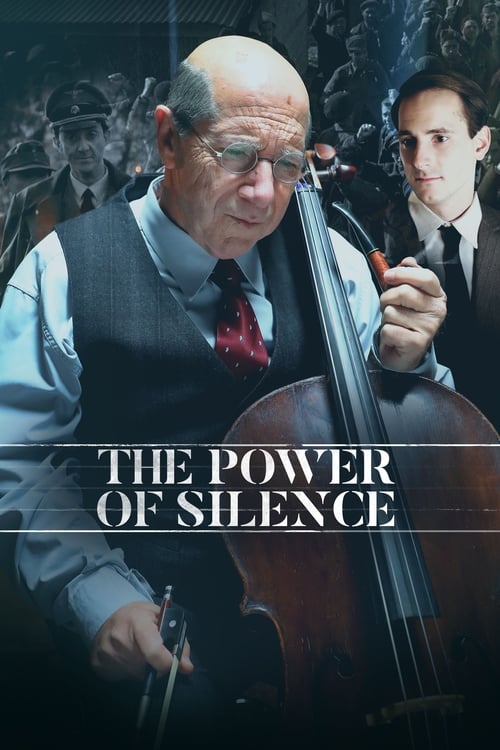
The Power of Silence
2017
No user ratings available yet
Representation score: 6.0 out of 10
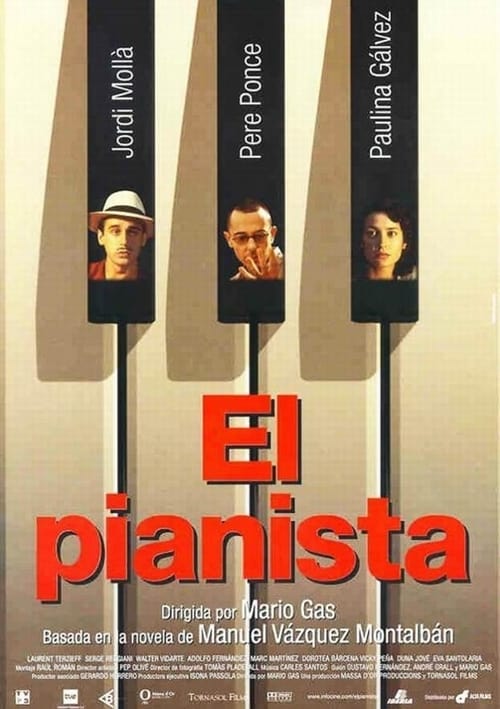
Representation Score
Good
1998
Director
Mario Gas
Runtime
90 minutes
Average Rating
No ratings yetNew Showbiz Analysis
The film stands out by challenging monolithic historical narratives through its focus on political dissidents and unconventional social spaces. Its strength lies in its critique of systemic oppression and the deconstruction of the Francoist era. However, the narrative remains confined to a predominantly European setting, limiting its racial and ethnic diversity. While the character dynamics offer some subversion of traditional gender roles, the story's focus is still heavily rooted in a specific historical European context. Ultimately, the film offers a sophisticated exploration of identity shaped by political upheaval and social non-conformity.
Category Breakdown
The film features a transvestite club as a key setting for a crucial character interaction. This highlights non-traditional gender identities and explores social circles that are not centered around straight relationships.
The relationship between Doria, Rossell, and Teresa suggests a departure from traditional patriarchal structures. Teresa serves as a focal point for both characters, indicating women's ability to drive the story within the era's romantic dynamics.
Set in Barcelona and Paris, the film operates within a primarily European historical context. Despite the narrative's movement across borders, the cast likely consists mainly of white actors.
The story delves into anti-establishment themes by focusing on anti-Franco anarchists. It critiques centralized state authority and challenges traditional nationalist ideas through historical revisionism.
There is no indication of the portrayal of physical or neurodivergent disabilities in the narrative.
Present on Screen
Limited or Absent
Official Synopsis
This music-themed drama is set in Barcelona of the mid-'80s. When famed composer Lluis Doria visits a transvestite club, he learns his lifelong friend Albert Rossell is the house pianist. A flashback takes the tale four decades into the past, where the younger Rossell rejoins Teresa after having spent years in prison for helping anti-Franco anarchists. The story continues into Paris of the '30s, the period when Doria and Rossell first met, sharing a mutual interest in music and Teresa, before civil war sent them in different directions.
2017
1952
2008
1986

1985
1992

1991
1998
No reviews yet. Be the first to share your thoughts on this movie!
Use the rating form above to leave a star rating and optional review.