
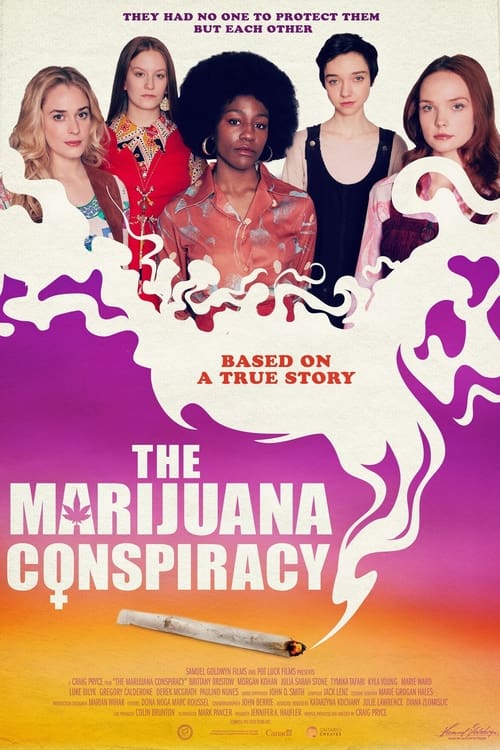
Freeland
2021
No user ratings available yet
Representation score: 5.7 out of 10
Representation Score
Excellent
2020
Director
Craig Pryce
Runtime
123 minutes
Average Rating
No ratings yetNew Showbiz Analysis
The film presents a period drama centered on a true 1972 human experiment involving young women. It places female subjects at the heart of a systemic study, offering a strong foundation for gender-focused storytelling. However, the narrative's multi-layered depth is hard to gauge. Without specific details on casting or character identities, the film's ability to represent racial or LGBTQ+ diversity remains unconfirmed. Ultimately, the work succeeds in its critique of institutional power and its focus on female autonomy, even if broader demographic representation is not explicitly detailed.
Category Breakdown
The film focuses on the conditions of a 98-day experiment rather than on LGBTQ+ identities. There is no clear indication of queer subtext or non-straight relationships.
The movie centers on the female experience within a controlled study, highlighting female autonomy and the female perspective.
Specific casting details are unavailable, making it impossible to determine if the cast reflects the diverse demographics of 1972.
The story critiques institutional authority by depicting a scientific experiment as a form of isolated captivity. It examines mid-century systemic control and state-sanctioned morality regarding substance use.
There is no specific evidence regarding the portrayal of physical disabilities or neurodivergence. The representation in this area remains unverified.
Present on Screen
Limited or Absent
Official Synopsis
In 1972, young women looking for a fresh start in life endure isolated captivity in a true 98-day human experiment studying the effects of marijuana on females.
2021
2017

1969
1981
1968

2018

1970
2015
No reviews yet. Be the first to share your thoughts on this movie!
Use the rating form above to leave a star rating and optional review.