
Women in Prison
1985
No user ratings available yet
Representation score: 7.8 out of 10

Representation Score
Good
1983
Director
Barbara Sass
Runtime
88 minutes
Average Rating
No ratings yetNew Showbiz Analysis
The Scream is a character study that prioritizes female subjectivity and the complexities of social alienation. By centering on a woman's struggle for reintegration after prison, the film challenges traditional gender hierarchies and avoids conventional narratives of social stability. However, the film lacks significant racial and LGBTQ+ diversity. The cast remains homogeneous, reflecting the localized social framework of 1980s French realism, and the narrative does not explicitly engage with queer identities. Ultimately, the film's strength lies in its nuanced exploration of psychological trauma and systemic pressure. It provides visibility for invisible mental struggles while remaining rooted in a specific, limited social context.
Category Breakdown
The film focuses on individual psychological trauma rather than queer identities. It avoids traditional heterosexual romantic subplots and does not center on non-cisgender expressions.
The narrative disrupts cinematic hierarchies by centering entirely on the female experience. It grants the protagonist primary ability to act, avoiding male leadership clichés to highlight female autonomy.
The film features a homogeneous cast typical of 1980s French social realism. There is no evidence of intentional racial blending or the subversion of Western casting norms.
The story explores social exclusion and the friction between an individual and state institutions. It offers a skeptical view of societal rehabilitation and traditional social stability.
Mental health and psychological suffering serve as the central drivers of the plot. The protagonist's internal distress is treated with depth rather than as a mere plot device.
Present on Screen
Limited or Absent
Official Synopsis
A woman just out of prison gets a job in a nursing home and tries, unsuccessfully, to put her life back together.
1985
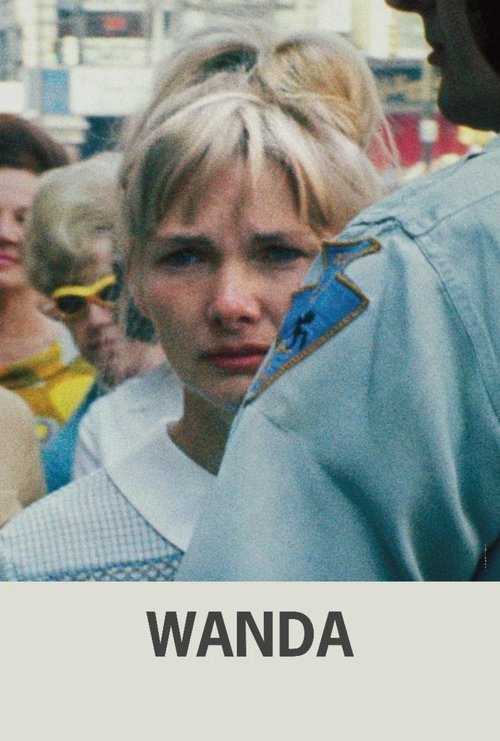
1970

2013

1964

1978
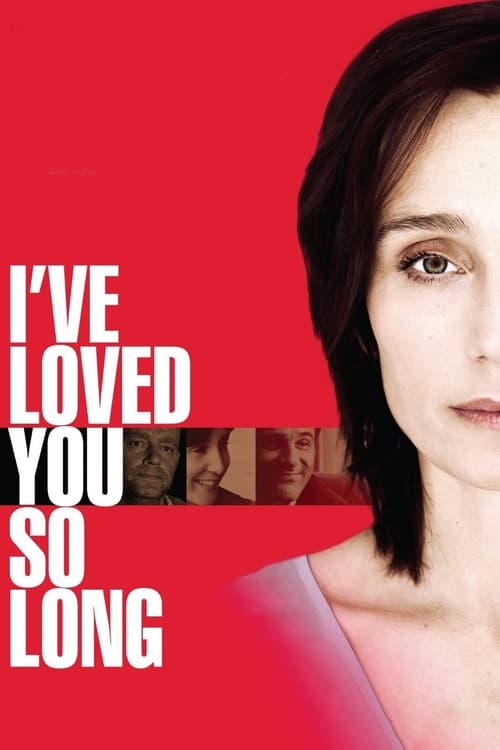
2008
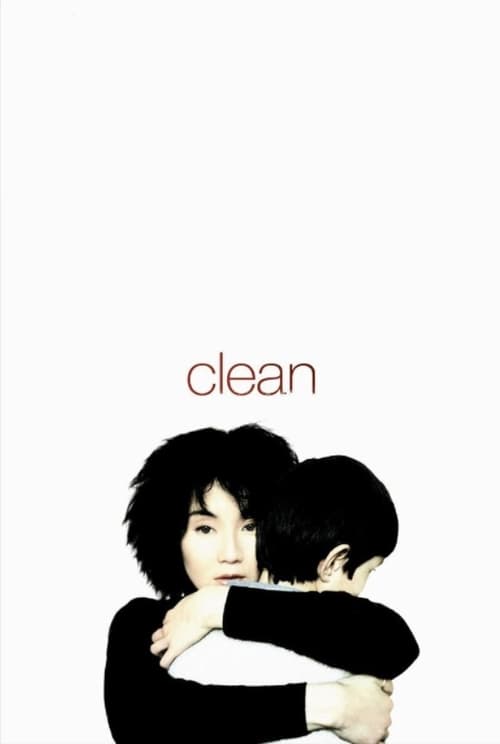
2004

1997
No reviews yet. Be the first to share your thoughts on this movie!
Use the rating form above to leave a star rating and optional review.