Andy Hardy's Dilemma: A Lesson in Mathematics... and Other Things
1940
No user ratings available yet
Representation score: 0.4 out of 10
Representation Score
Minimal
1939
ApprovedDirector
George B. Seitz
Runtime
81 minutes
Average Rating
No ratings yetNew Showbiz Analysis
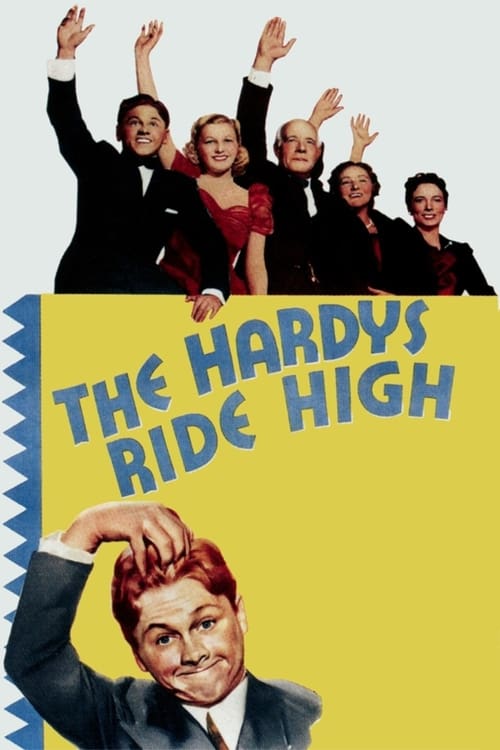
The Hardys Ride High is a typical 1939 studio comedy that upholds traditional social hierarchies. The story is built around patriarchal authority and the preservation of wealth, with little room for diverse perspectives. Representation is minimal across various categories. The film follows the era's standard of homogeneous casting and traditional gender roles, where women are portrayed as objects of pursuit rather than independent actors. Overall, the film serves to reinforce the status quo. It focuses on conventional family dynamics and Western legal structures, providing no challenge to the social norms of the time.
Category Breakdown
The film does not include any LGBTQ+ characters or narratives. It reinforces the idea that everyone is assumed to be straight through traditional romantic pursuits, such as Phil Westcott's efforts to win Polly Benedict.
The story revolves around male figures and conflicts centered on inheritance. Female characters like Polly Benedict seem to play minor roles and serve mainly as romantic interests for the male characters.
The film features a predominantly white cast, reflecting the era's preference for homogeneous casting. There is no indication of racial diversity in the narrative.
The story emphasizes traditional Western values, focusing on legal inheritance and family stability. It highlights the importance of maintaining social standing within established institutions.
There are no characters with visible or invisible disabilities in the film. The narrative does not address neurodivergence or physical disability.
Present on Screen
Limited or Absent
Official Synopsis
Sixth of the Judge Hardy series. Judge James K. Hardy is brought the fabulous news from attorney George Irving, that he could be the heir to 2 million dollars. In order to claim the inheritance, he and his family must leave for Detroit. The disinherited heir Philip 'Phil' Westcott, adopted son of the deceased relative, has to leave the fabulous mansion Detroit. But the playboy Phil ain't going down without a fight. He decides on a charm offensive. First with Polly Benedict and foremost Andrew 'Andy' Hardy, the son of Judge Hardy.
1940
1934
1938
1927
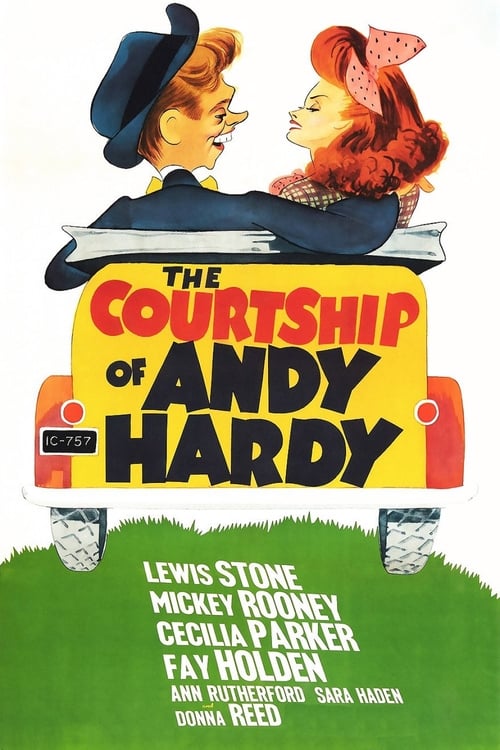
1942
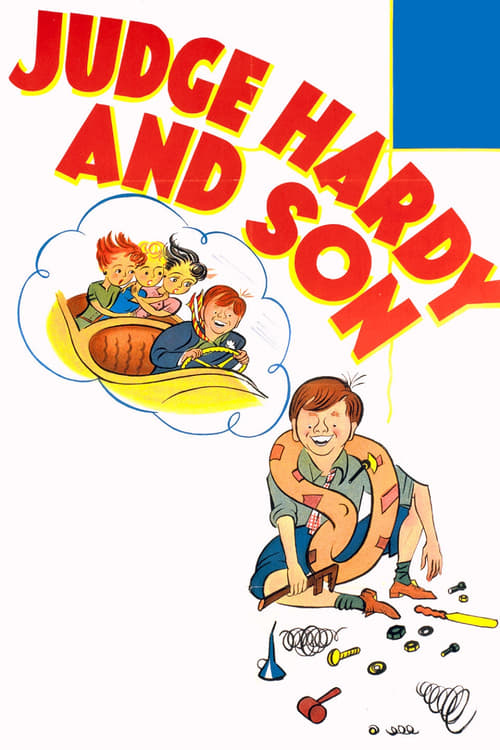
1939
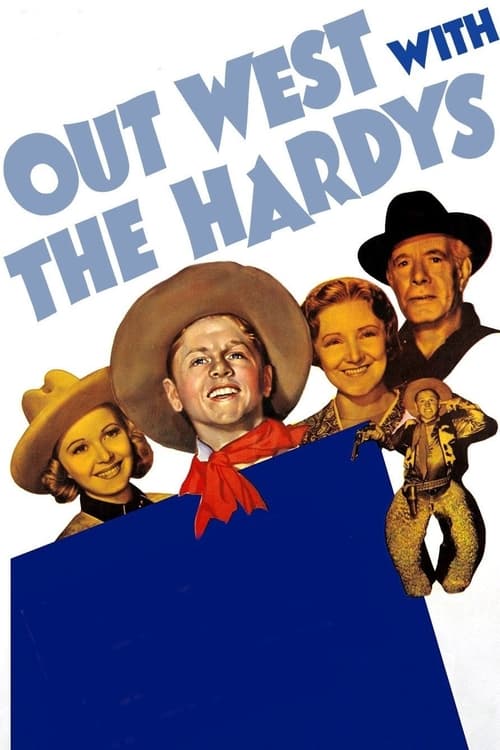
1938
1947
No reviews yet. Be the first to share your thoughts on this movie!
Use the rating form above to leave a star rating and optional review.