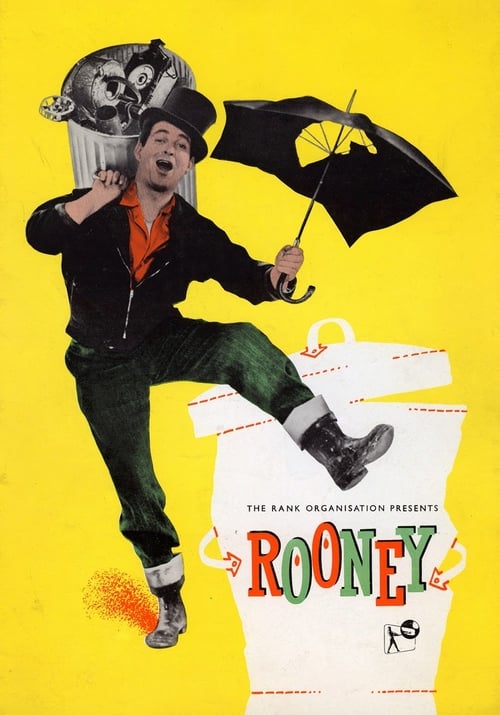
Rooney
1958
No user ratings available yet
Representation score: 1.1 out of 10
Representation Score
Fair
1970
PGDirector
Waris Hussein
Runtime
90 minutes
Average Rating
No ratings yetNew Showbiz Analysis
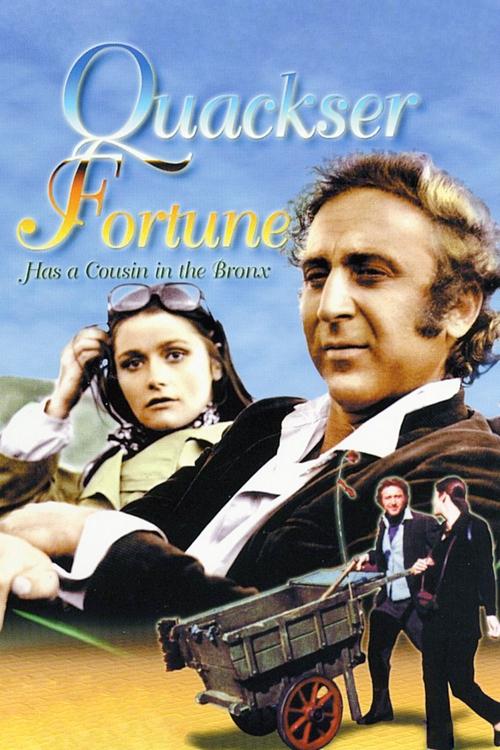
Quackser Fortune Has a Cousin in the Bronx is a period-specific character study that focuses on class-based social commentary. It operates within a traditional framework, emphasizing economic norms and individual eccentricity. The film maintains the demographic compositions typical of 1970s British cinema, focusing on class distinctions rather than subverting racial or gender hierarchies. While it offers a gentle critique of capitalist stability, it does so through a narrow lens. Overall, the film lacks the broad representation found in modern cinema, adhering to the social hierarchies and structures of its time.
Category Breakdown
The film does not include any LGBTQ+ characters or explore non-straight identities. The romantic subplot follows typical heterosexual structures common for the era.
Women are mostly placed in supportive or romanticized roles rather than driving the plot. The film upholds traditional 1970s gender dynamics without challenging these hierarchies.
The cast is predominantly white, reflecting the demographics of its setting. Although the Bronx connection adds a global context, there is no significant non-white casting.
The narrative provides a nuanced look at socioeconomic struggles and class structures. It centers on a protagonist who challenges traditional employment through individual eccentricity and resilience.
The protagonist's unconventional behavior suggests neurodivergent traits. However, these characteristics are used for comedic effect rather than exploring lived experiences with disability.
Present on Screen
Limited or Absent
Official Synopsis
In Dublin, a working class family has been unsuccessful in convincing their son to get a real job: the son prefers his job of scooping up horse's dung and selling it for flower gardens. An American exchange student almost runs him over and gets to know him. The dung man has ignored warnings from his family and suddenly the horses have been banned from Dublin. His new love is leaving for America and he must find a way to cope with the new reality.
1958

1965
1960

1963
1981

1931
1987
1984
No reviews yet. Be the first to share your thoughts on this movie!
Use the rating form above to leave a star rating and optional review.