Legend of the Spirit Dog
1997
No user ratings available yet
Representation score: 2.5 out of 10
Representation Score
Limited
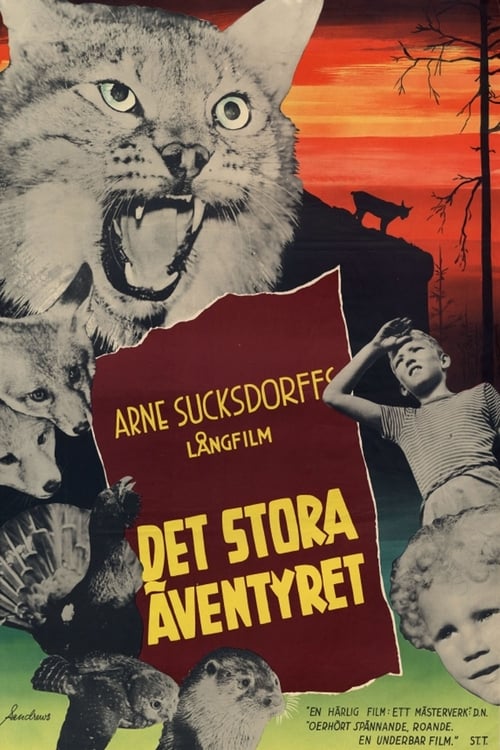
1953
ApprovedDirector
Arne Sucksdorff
Runtime
94 minutes
Average Rating
No ratings yetNew Showbiz Analysis
The Great Adventure is a poetic nature documentary that emphasizes ecological observation over social commentary. Its narrative structure downplays human dominance, focusing instead on the interdependence of the natural world. However, the film lacks an multi-layered approach. It reflects the demographic and cultural homogeneity of 1950s Swedish cinema, focusing on a localized, culturally specific experience that does not address diverse identities. Ultimately, the film’s strength lies in its early ecological awareness rather than its social representation. It serves as a historical record of mid-century European pastoralism.
Category Breakdown
The film does not include any LGBTQ+ characters or non-straight relationships. The story focuses on the bond between siblings and interactions with animals.
The story revolves around two brothers and emphasizes a male-driven narrative typical of mid-century adventure films. It highlights traditional male control over the plot.
Set in rural Sweden, the film reflects a homogeneous European demographic from its time period. It does not feature a diverse cast or explore various cultural backgrounds.
The film examines the balance between wilderness and civilization. It presents a nuanced view of nature but stays within a traditional European pastoral setting.
The film does not depict any characters with visible or invisible disabilities.
Present on Screen
Limited or Absent
Official Synopsis
Arne Sucksdorff’s celebrated nature film follows two brothers in rural Sweden as they witness a fox raid and secretly raise an orphaned otter. Told through an adult’s memories, it reflects on childhood, nature, and the fragile balance between wilderness and civilization. The film won the International Prize at the 1954 Cannes Film Festival.
1997
1966
2018
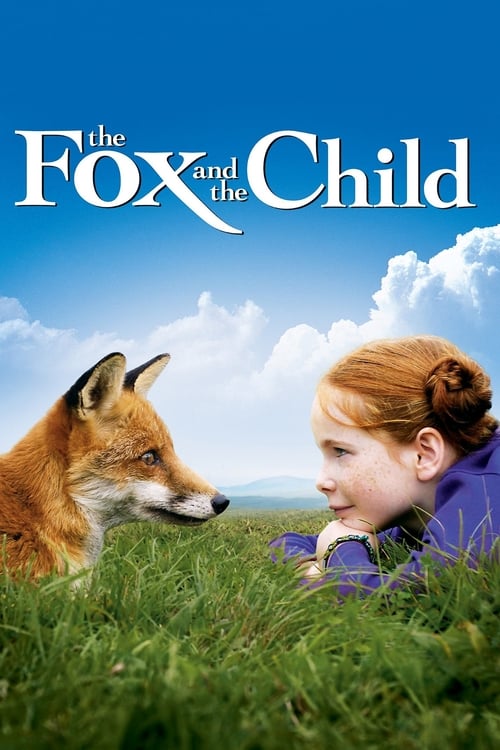
2007
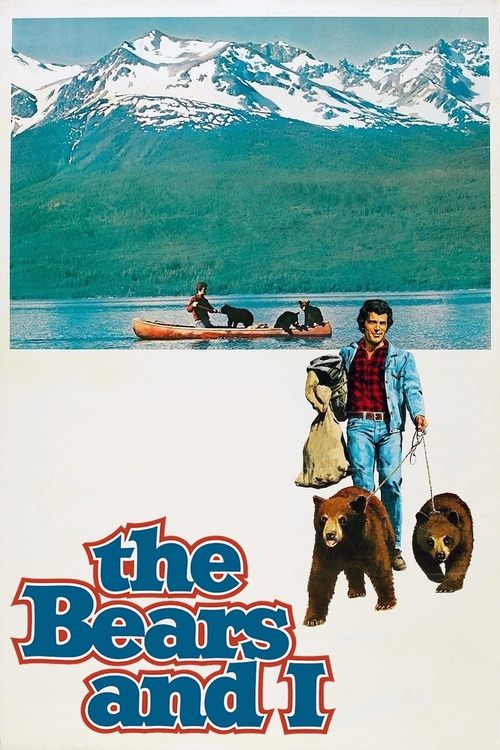
1974

2021

1979
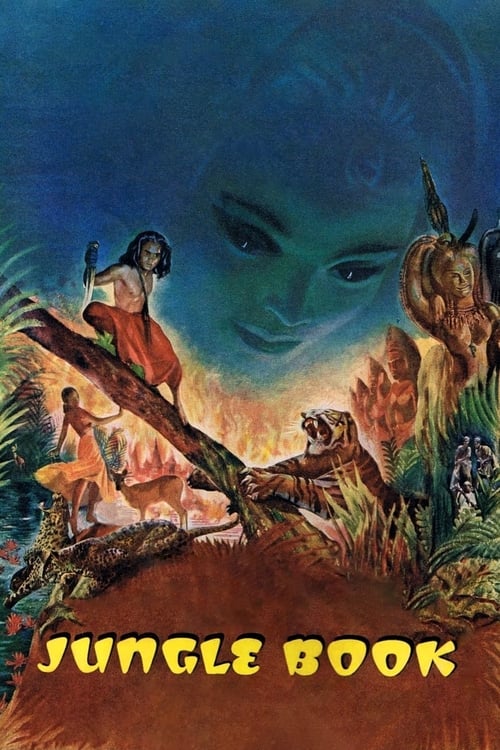
1942
No reviews yet. Be the first to share your thoughts on this movie!
Use the rating form above to leave a star rating and optional review.