Find another title
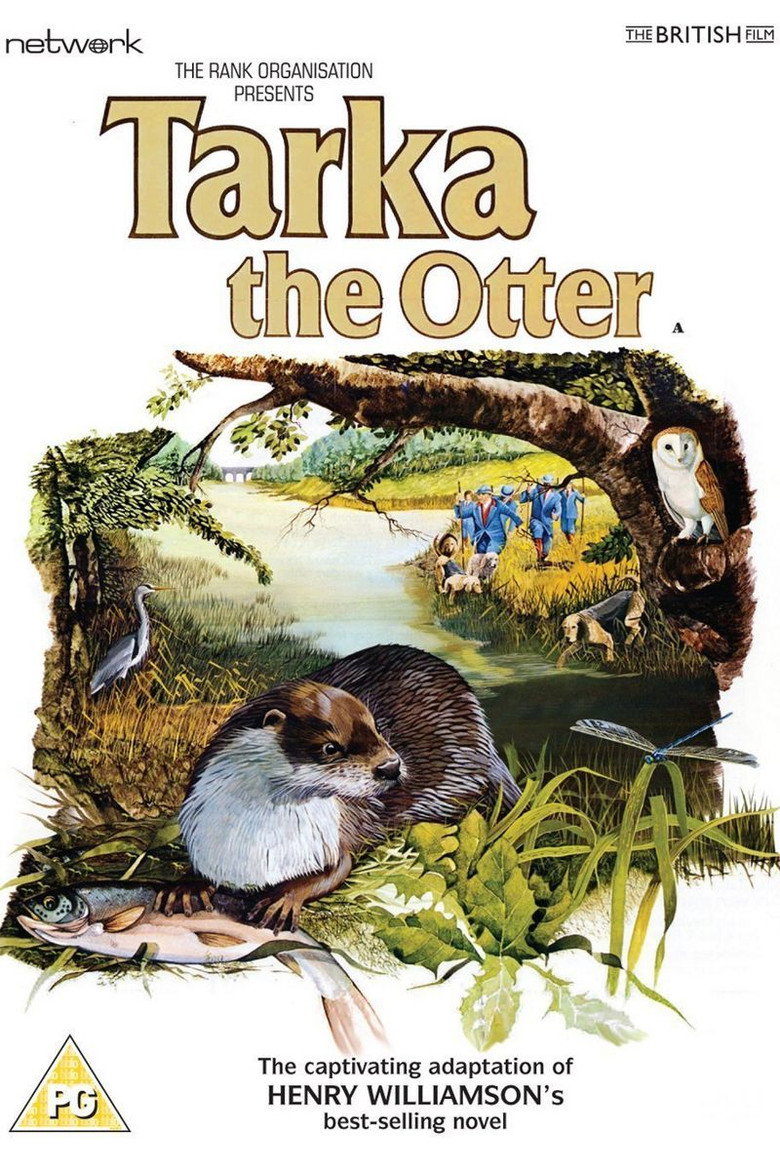
Tarka the Otter
1979
Director
David Cobham
Runtime
87 minutes
Average Rating
No ratings yetSynopsis
Set in the English countryside of the 1920s - when otter hunting was still legal - this film follows the life of Tarka the Otter from his birth into adulthood. We witness his close shaves, and his struggle with a man who tries to keep our furry hero as a pet.
Where to Watch
Diversity & Representation
Overall Score
Minimal
Category Breakdown
LGBTQ+ Representation
The narrative focuses entirely on the biological imperatives of the animal kingdom. There is no depiction of non-cisnormative identities or same-sex intimacy.
Gender Representation
Gender is depicted through traditional biological roles, such as maternal protection. The film lacks exploration of non-traditional masculinity or femininity.
Racial & Ethnic Diversity
As an animated study of fauna, the film lacks a human cast. The setting is a homogeneous ecological landscape of the English countryside.
Religious & Cultural Diversity
The film presents a traditionalist, cyclical view of the natural world. It does not engage with social, religious, or political critiques.
Disability Representation
Physical struggles and injuries are portrayed as biological realities of survival. There is no intentional representation of neurodivergence or physical disability.
Strengths
- Provides an authentic, naturalistic look at the biological cycles of the English countryside.
- Focuses on ecological realism and the survival instincts of the animal kingdom.
Areas for Improvement
- Lacks any representation of human social diversity, race, or culture due to its animal-centric cast.
- Does not engage with or subvert traditional gender roles or identity-based narratives.
- Provides no intentional representation of neurodivergence or physical disability.
AI Analysis
Tarka the Otter is a naturalistic animation that prioritizes ecological realism over social commentary. The story follows the life cycles of animals in the 1920s English countryside, focusing on instinct and survival rather than human social structures. Because the cast is composed entirely of animals, the film lacks the framework to address human identity, race, or culture. It operates within a strictly biological lens that avoids intersectional themes or the deconstruction of social hierarchies. Ultimately, the film serves as a traditional nature study. It does not attempt to disrupt tropes or engage with identity politics, remaining detached from the complexities of human social systems.
Rate this Movie
Reviews
No reviews yet. Be the first to share your thoughts on this movie!
Use the rating form above to leave a star rating and optional review.