
The Psycho Lover
1970
No user ratings available yet
Representation score: 3.3 out of 10
Representation Score
Minimal
1946
ApprovedDirector
Frank Wisbar
Runtime
67 minutes
Average Rating
No ratings yetNew Showbiz Analysis
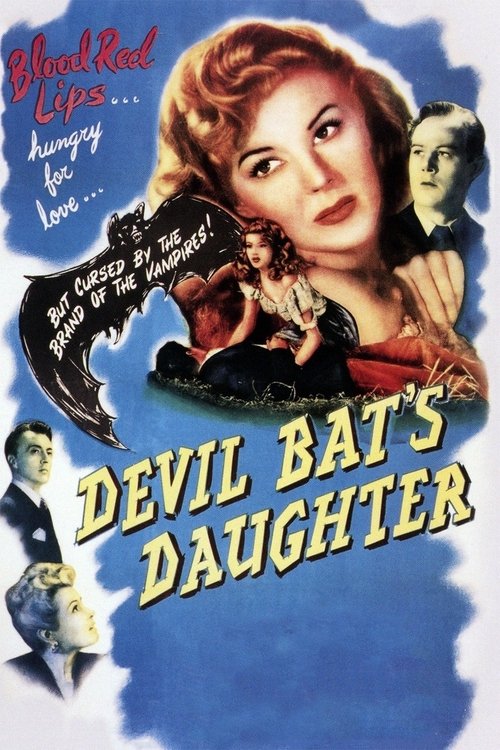
Devil Bat's Daughter is a typical mid-century horror film that upholds the social structures of its era. While the plot centers on female characters, they are defined by their vulnerability to male gaslighting and medical coercion rather than their own autonomy. The film lacks any significant demographic diversity, featuring a homogeneous white cast and no LGBTQ+ representation. It operates within a narrow, traditional framework that emphasizes genre clichés over social or systemic critiques. Ultimately, the narrative uses psychological instability as a tool for suspense rather than delving into mental health issues with depth. It remains a product of its time, focusing on individual pathology within a traditional Hollywood structure.
Category Breakdown
The film adheres to a traditional mid-century thriller format. There is no representation of non-straight or non-cisgender identities or same-sex relationships.
Women like Nina play crucial roles in the plot, but their influence is diminished by male psychological manipulation. The tension revolves around women being controlled by men.
The cast is overwhelmingly white and uniform, reflecting the casting standards of 1946 Hollywood. There is no indication of racial diversity or non-Anglo-Saxon actors.
The story focuses on individual wrongdoing and moral failures rather than broader societal critiques. It serves as a cautionary tale within conventional moral boundaries.
Mental health and psychological compulsions are used mainly as plot devices for suspense. The film does not explore mental health issues with much depth.
Present on Screen
Limited or Absent
Official Synopsis
Wishing to dispose of his wife, psychiatrist Dr. Elliott makes his patient Nina think that she suffers from a compulsion to kill. He drugs Nina, murders his wife and leaves evidence that points to Nina. The latter, pre-conditioned by Elliott, also thinks she is guilty.
1970

1926
1957
1935

1960
1940
1941
1928
No reviews yet. Be the first to share your thoughts on this movie!
Use the rating form above to leave a star rating and optional review.