
Katrina Babies
2022
No user ratings available yet
Representation score: 9.1 out of 10
Representation Score
Fair
2013
TV-PGDirector
Miles O'Brien
Runtime
53 minutes
Average Rating
No ratings yetNew Showbiz Analysis
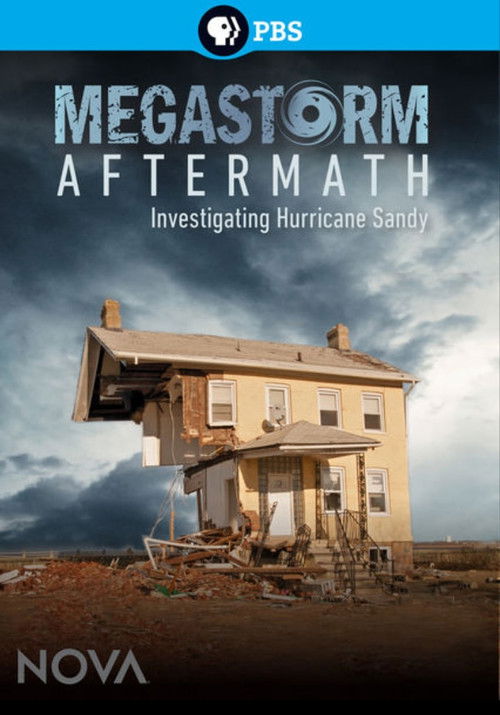
Megastorm Aftermath serves as a journalistic observation of the destruction caused by Superstorm Sandy. The narrative is driven by real-world environmental and economic events rather than scripted character arcs or intentional casting. Since the film is observational, it lacks deliberate subversion or identity-driven clichés. Representation appears to be a byproduct of the disaster's geographic impact rather than a focused social commentary. Ultimately, the documentary maintains a neutral stance, reflecting the organic diversity of the affected populations without prioritizing specific social or political frameworks.
Category Breakdown
The documentary does not include specific LGBTQ+ stories or character development. It focuses on the aftermath of the storm rather than individual identity narratives.
The film presents a neutral perspective typical of observational journalism. It does not subvert gender hierarchies or offer progressive gender portrayals.
The film captures a diverse range of people due to the broad geographic impact of the storm. However, it does not center actively leading narratives around people of color.
The content focuses on reporting the economic and human losses. There is no evidence of an anti-capitalist or anti-Western narrative framework.
The documentary likely highlights the vulnerabilities of individuals with disabilities. However, it does not provide specific ability to act or nuanced portrayals for these subjects.
Present on Screen
Limited or Absent
Official Synopsis
In October 2012, Superstorm Sandy cut a path of devastation across the Caribbean and the East Coast of the United States, killing hundreds and causing tens of billions of dollars in damage.
2022
2025
2012
2013
2025
2009
2014

2013
No reviews yet. Be the first to share your thoughts on this movie!
Use the rating form above to leave a star rating and optional review.