
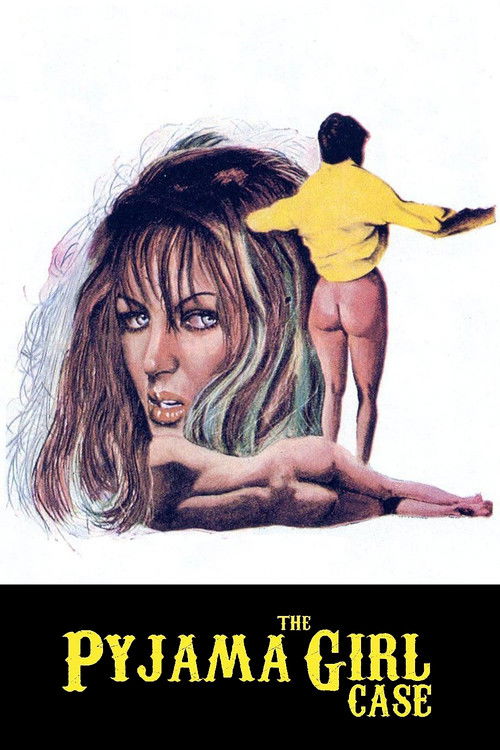
They Only Kill Their Masters
1972
No user ratings available yet
Representation score: 3.8 out of 10
Representation Score
Limited
1977
Not RatedDirector
Flavio Mogherini
Runtime
104 minutes
Average Rating
No ratings yetNew Showbiz Analysis
The Pyjama Girl Case is a quintessential genre piece that prioritizes stylistic tension and suspense over progressive social representation. It operates within the traditional boundaries of 1970s European cinema, focusing on individual psychological mysteries rather than diverse perspectives. While the film offers some nuance through its female lead, it remains anchored in the demographic and social frameworks of its era. The narrative does not seek to challenge established hierarchies or provide diverse perspectives. Ultimately, the film functions as a stylistic exercise in the giallo tradition, emphasizing eroticism and mystery over a deconstruction of systemic power dynamics.
Category Breakdown
The film centers on heterosexual relationships and sexual tension. It does not include any non-binary gender identities or critiques of traditional social structures.
Linda's character explores female independence by navigating multiple relationships and marital separation. However, her autonomy is often portrayed through the eroticism typical of the giallo genre.
The film features a predominantly European cast and is set in a Western context. There is no significant racial diversity or non-white majority casts.
The narrative follows traditional Western structures focused on mystery. It examines interpersonal instability without explicitly challenging systemic institutions like religion or capitalism.
There are no prominent depictions of visible or invisible disabilities that play a central role in the narrative or character arcs.
Present on Screen
Limited or Absent
Official Synopsis
Two seemingly separate stories in New South Wales: a burned, murdered body of a young woman is found on the beach, and a retired inspector makes inquiries; also, Linda, a waitress and ferry attendant, has several lovers and marries one, but continues seeing the others. The police have a suspect in the murder, but the retired inspector is convinced they're wrong; he continues a methodical investigation. Linda and her husband separate, and there are complications. Will the stories cross or are they already twisted together?
1972
1947
1994
1991
1971
1983
1982

1973
No reviews yet. Be the first to share your thoughts on this movie!
Use the rating form above to leave a star rating and optional review.