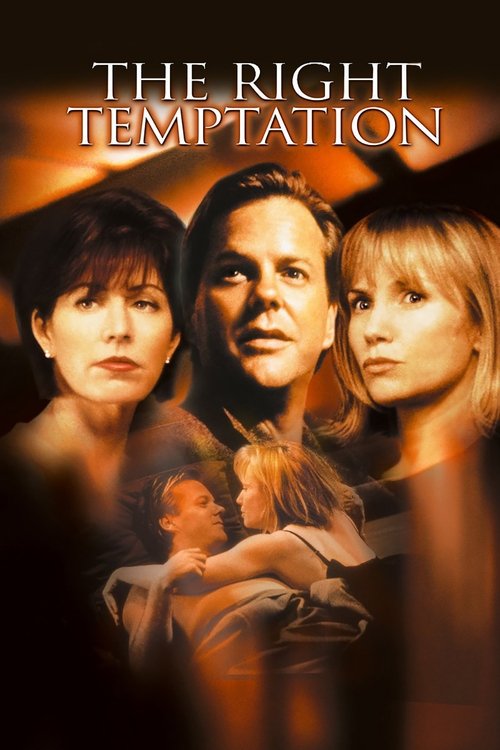
The Right Temptation
2000
No user ratings available yet
Representation score: 2.9 out of 10

Representation Score
Limited
1972
PGDirector
James Goldstone
Runtime
97 minutes
Average Rating
No ratings yetNew Showbiz Analysis
They Only Kill Their Masters is a sophisticated social critique set in 1930s Mississippi. It dismantles the perceived legitimacy of American institutions by focusing on racial ability to act and systemic corruption. However, the film's narrow thematic scope limits its representation of LGBTQ+ identities and characters with disabilities. Despite this, the work successfully critiques power structures of the past, even while staying within traditional social frameworks regarding gender and identity.
Category Breakdown
The film does not include any LGBTQ+ characters. The narrative focuses primarily on racial and legal hierarchies.
Gender dynamics play a secondary role compared to the main racial conflict. The film adheres to the gender norms of the 1930s without challenging traditional hierarchies.
The film gives a significant role in driving the story to a Black protagonist navigating a predominantly white social structure. It avoids stereotypes, instead emphasizing the complexities of Jim Crow-era power dynamics.
The story critiques the American legal system as an instrument of systemic oppression. It breaks down the concept of law to depict the social order as a force to be challenged.
There is no significant depiction of physical or neurodivergent disabilities affecting the plot or character arcs.
Present on Screen
Limited or Absent
Official Synopsis
An enigmatic young woman has been murdered in a small California coast town. The investigation by the local sheriff uncovers a complex web of relationships centering on the victim; the scattered trail of evidence ranges from a mysterious photograph to the victim's own dog. During the investigation, the sheriff meets and becomes romantically involved with a woman whose connection to the murder is ambiguous.
2000

1944
1977
1983
1972

1970

1953

1973
No reviews yet. Be the first to share your thoughts on this movie!
Use the rating form above to leave a star rating and optional review.