
Morte e Vida Severina
1981
No user ratings available yet
Representation score: 5.9 out of 10
Representation Score
Fair
2000
Director
Kátia Lund, Fernando Meirelles
Runtime
21 minutes
Average Rating
No ratings yetNew Showbiz Analysis
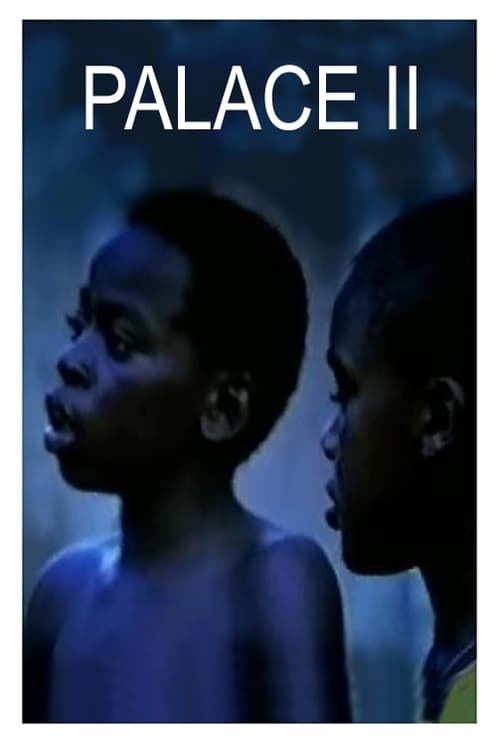
Palace II is a work of social realism that disrupts traditional crime genre clichés. It avoids moralistic frameworks to instead emphasize the systemic socioeconomic pressures facing those in the Brazilian favelas. The film's primary strength is its refusal to center middle-class or Western-centric perspectives. By shifting narrative ability to act to the underrepresented residents of Cidade de Deus, it provides a platform for complex, multi-layered realities. However, the focus on a hyper-masculine environment limits the visibility of other identities. The narrative architecture prioritizes male survival tactics, leaving little room for LGBTQ+ or diverse gendered perspectives.
Category Breakdown
The story focuses on the socioeconomic survival of young males in a violent environment. There is no explicit evidence of LGBTQ+ character arcs or non-cisgender identities.
ability to act is concentrated among male protagonists navigating a hyper-masculine landscape. While the film may critique destructive masculine roles, the focus remains heavily on male characters.
The film provides exceptional representation by centering on the residents of Cidade de Deus. It prioritizes the ability to act of Afro-Brazilian and mixed-race characters within their own community.
The story challenges Western institutional narratives by portraying systemic state failures. It highlights how informal economies and localized morality become necessary for survival in the urban periphery.
There is no information regarding the portrayal of physical or neurodivergent disabilities in the provided context.
Present on Screen
Limited or Absent
Official Synopsis
Two young boys, Laranjinha and Acerola, living in Cidade de Deus, one of the most violent neighborhoods in Rio de Janeiro, need some money to go to a concert. The "easiest" (and most dangerous) way to get it is working for some drug-dealers.
1981
2007

1996

2008

2004
2008
2009

2004
No reviews yet. Be the first to share your thoughts on this movie!
Use the rating form above to leave a star rating and optional review.