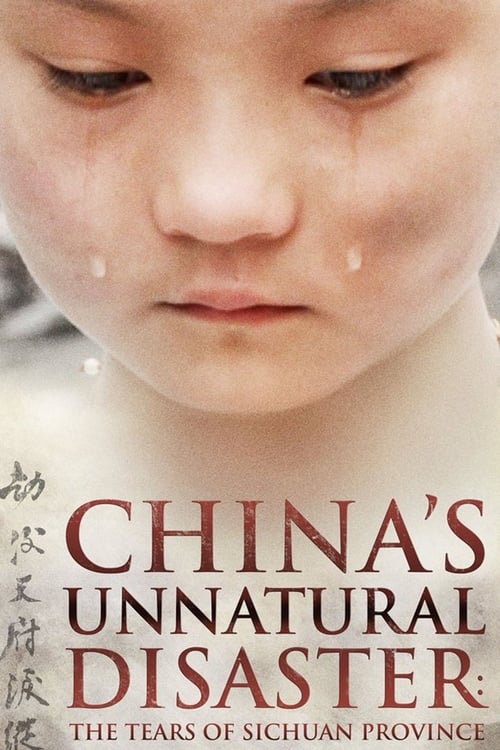
China's Unnatural Disaster: The Tears of Sichuan Province
2009
No user ratings available yet
Representation score: 6.5 out of 10

Representation Score
Fair
2009
Director
Du Haibin
Runtime
114 minutes
Average Rating
No ratings yetNew Showbiz Analysis
Du Haibin’s documentary shines in its cultural and racial authenticity, offering a raw, unembellished look at the rural Chinese peasantry. By focusing on these underrepresented voices, the film avoids the homogenization typical of mainstream media and provides a critical perspective on institutional failures. However, the film lacks diverse representation. It does not include LGBTQ+ narratives or challenge traditional patriarchal gender roles. Additionally, it does not address specific individual disabilities or non-straight-centered identities. Overall, the film serves as a powerful critique of social stability, emphasizing the survivalist ethics of a traumatized community over state-sanctioned narratives.
Category Breakdown
The film does not include any LGBTQ+ characters or narratives. The story focuses solely on the socioeconomic struggles of the rural peasantry.
Gender roles in the film adhere to traditional patriarchal structures within rural Chinese society. The depiction of labor and domestic duties does not challenge these hierarchies or empower women.
The film centers on the lived experiences of rural Chinese peasants, offering a localized, authentic portrayal that avoids including someone from a minority group without giving them real depth. It provides deep ethnic specificity rather than superficial diversity.
The narrative critiques centralized authority by highlighting the disparity between urban progress and rural neglect. It portrays survivalist behaviors as essential responses to scarcity.
The community faces collective physical and psychological trauma from the earthquake. However, the film does not specifically depict individual physical or neurodivergent disabilities.
Present on Screen
Limited or Absent
Official Synopsis
The "Great Sichuan Earthquake" took place at 14:28 on May 12, 2008. In the days after, ordinary people salvage destroyed pig farms in the mountains, collect cheap scrapped metals, or pillaging other victims' homes. Behind the media circus of official visits is an inconsolable grief of families searching for loved ones. As the Lunar New Year approaches, vagabonds and family tell of the ill-handling of rebuilding schemes and misuse relief funds. As they prepare for another visit from a high official, the refugees are swept out of the town and into tent cities. The promise to put a roof over their heads before winter seems impossible to keep.
2009

2000
2013

2000
2012

2016

2008

2011
No reviews yet. Be the first to share your thoughts on this movie!
Use the rating form above to leave a star rating and optional review.