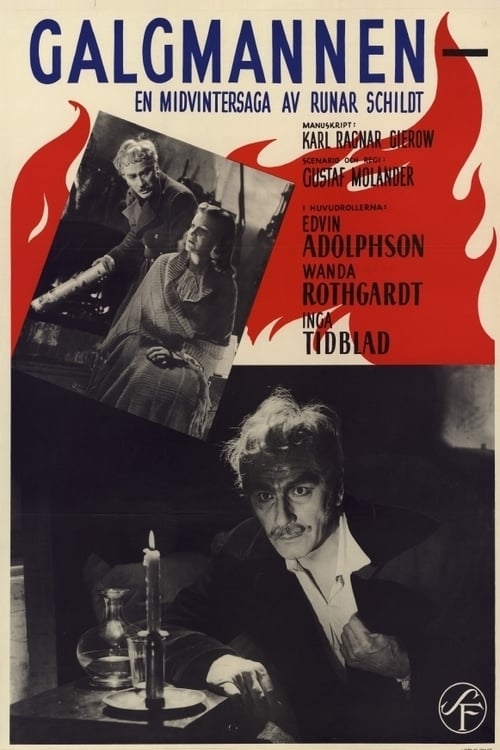
The Gallows Man
1945
No user ratings available yet
Diversity score: 2.2 out of 10
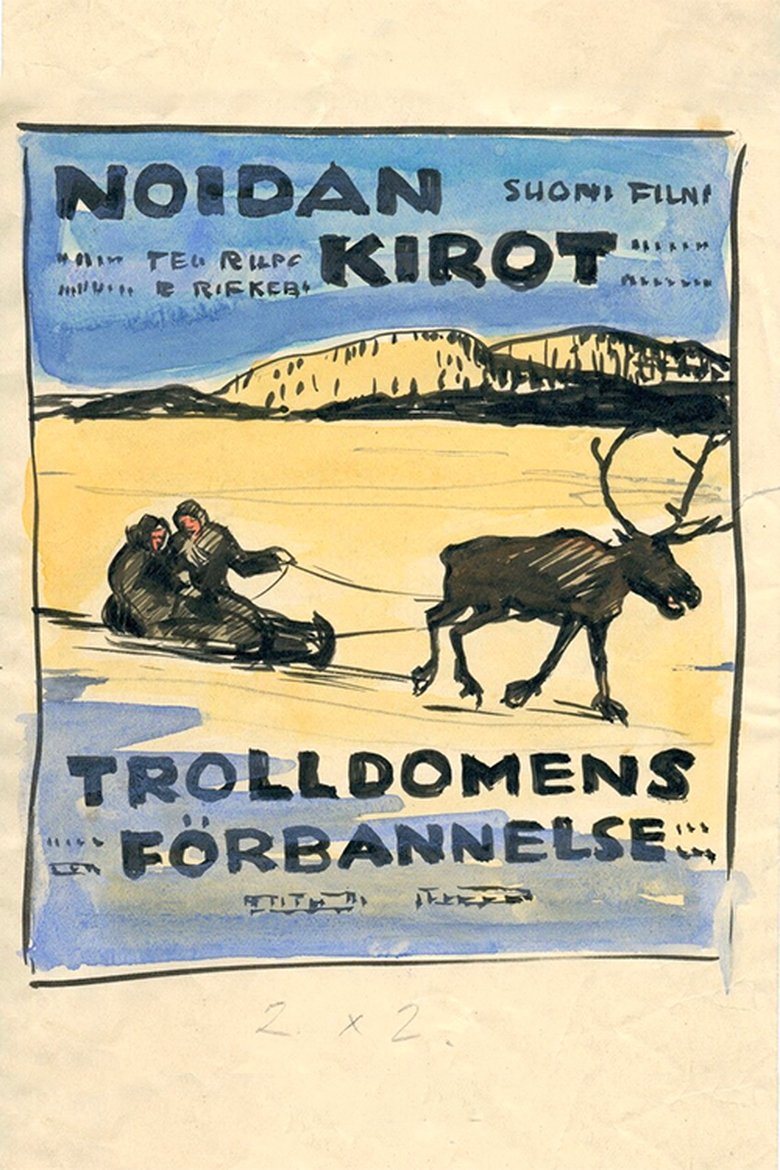
1927
Director
Teuvo Puro
Runtime
89 minutes
Average Rating
No ratings yetSynopsis
A couple move to an isolated house where – according to local legend – an ancient curse is rumoured to assail its inhabitants. Based on the novel by Väino Kataja (1914).
Overall Score
Limited
Category Breakdown
LGBTQ+ Representation
The film lacks any depiction of non-heteronormative identities. The story centers on a newlywed couple, reinforcing traditional romantic structures common to the era.
Gender Representation
The narrative focuses on a traditional domestic unit facing supernatural threats. It aligns with period expectations by centering the plot on the preservation of the home.
Racial & Ethnic Diversity
The production reflects the demographic homogeneity of 1920s Finland. The setting and cast are rooted in local folklore without multi-ethnic casting.
Religious & Cultural Diversity
The film engages with local superstition and ancient curses. It leans into traditional folk beliefs rather than deconstructing institutional power or social orders.
Disability Representation
There is no evidence of characters with physical or neurodivergent disabilities. The narrative does not address disability representation.
Strengths
Areas for Improvement
AI Analysis
As Finland's first horror film, *Curses of the Witch* serves as a significant historical artifact of early European genre cinema. However, its narrative is built upon the rigid social and demographic frameworks of 1927. The film relies heavily on traditional folklore and heteronormative domesticity. The central conflict involving a newlywed couple reinforces standard romantic tropes of the period rather than challenging them. While culturally specific to its Finnish roots, the film lacks intersectional depth. It presents a uniform environment that reflects the era's lack of racial and identity-based diversity.
1945

1986
1923
2005
1989
2017

2011
2011
2012
1977
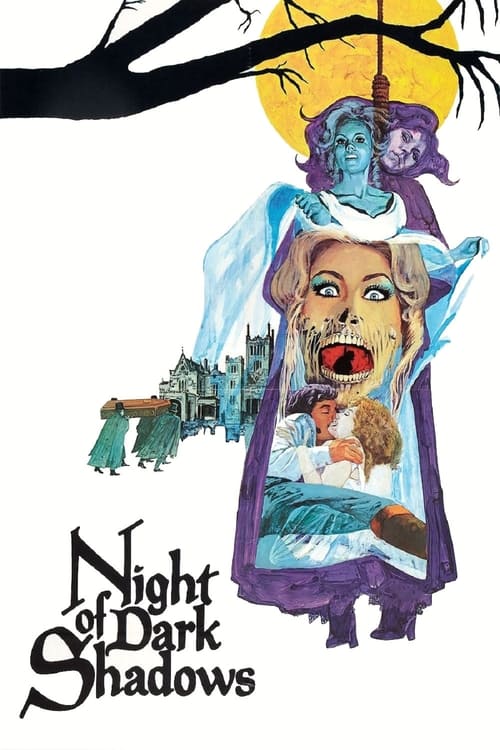
1971
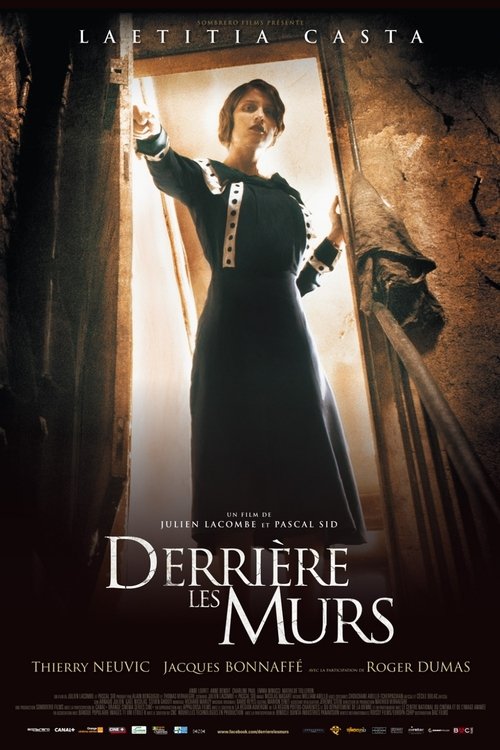
2011
No reviews yet. Be the first to share your thoughts on this movie!
Use the rating form above to leave a star rating and optional review.