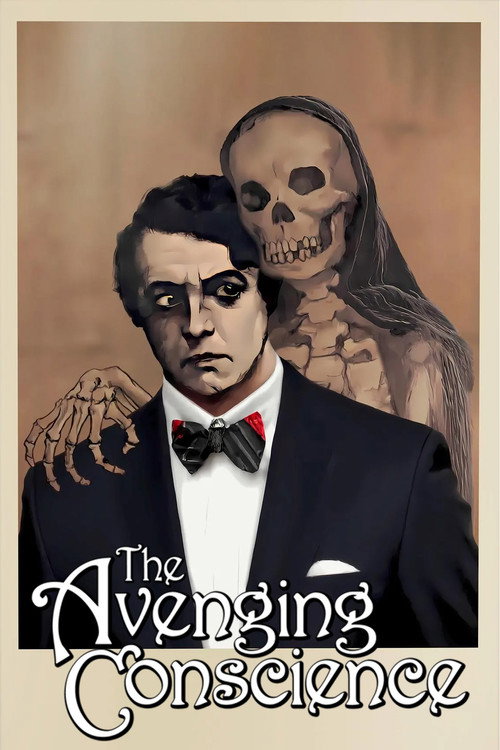
The Avenging Conscience
1914
No user ratings available yet
Diversity score: 1.7 out of 10

1945
K-16Director
Gustaf Molander
Runtime
99 minutes
Average Rating
No ratings yetSynopsis
The man of the gallows is a little sinister wooden figure that the proprietor must sell before his death. If not he will be doomed and unsaved.
Overall Score
Limited
Category Breakdown
LGBTQ+ Representation
The film offers no visible representation of non-heteronormative identities or same-sex intimacy. There is no evidence of narratives addressing gender non-conformity.
Gender Representation
The plot focuses on a proprietor's struggle for survival, suggesting a traditional character-driven structure. There is no indication of female agency or the subversion of gender hierarchies.
Racial & Ethnic Diversity
As a 1945 Swedish production, the film appears to reflect a homogeneous social landscape. No multi-ethnic cast or diverse ethnic representation is present.
Religious & Cultural Diversity
The story utilizes folklore and superstition surrounding a cursed wooden figure. These themes align with traditional European storytelling rather than a critique of social institutions.
Disability Representation
The narrative provides no evidence of characters with physical, sensory, or neurodivergent disabilities.
Strengths
Areas for Improvement
AI Analysis
The Gallows Man is a mid-century Swedish drama that prioritizes supernatural tension and individual fate. The narrative architecture centers on a singular, high-stakes conflict involving a cursed object and a proprietor's survival. Because the film focuses on localized moral dilemmas and folkloric elements, it lacks broader social or identity-based commentary. It adheres to the standard cinematic conventions of its era, emphasizing superstition over intersectional representation. Ultimately, the film functions as a period-specific piece that does not disrupt traditional tropes or address systemic power dynamics.
1914
1927

1984
1915
1974
1972

2015

1989
1971
2012

2021

2014
No reviews yet. Be the first to share your thoughts on this movie!
Use the rating form above to leave a star rating and optional review.