
Echoes
2014
No user ratings available yet
Representation score: 3.3 out of 10
Representation Score
Limited
2011
Director
Julien Lacombe, Pascal Sid
Runtime
90 minutes
Average Rating
No ratings yetNew Showbiz Analysis
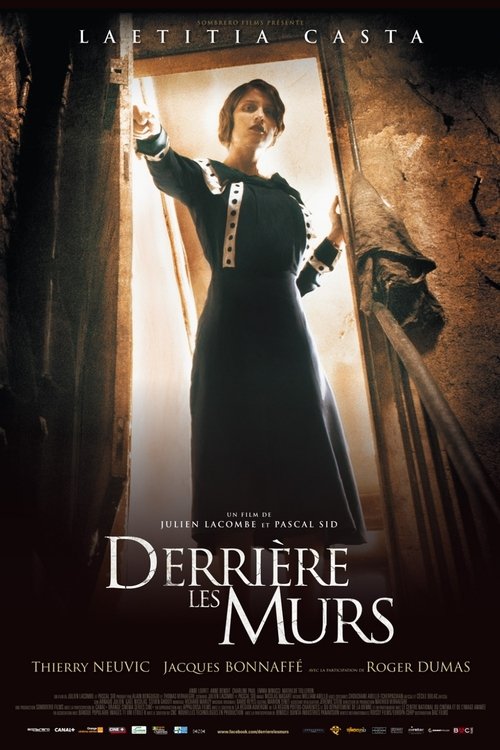
Behind the Walls operates as a traditional period thriller, emphasizing atmospheric tension and supernatural suspense over diverse representation. While the film centers on a female lead, it leans heavily into established clichés of female vulnerability. The production maintains a narrow demographic focus, reflecting the homogeneous nature of rural France in the 1920s. There is no significant engagement with LGBTQ+ identities or racial diversity within the narrative. Ultimately, the film uses psychological instability as a genre tool rather than a meaningful exploration of mental health issues. It functions as a standard mystery without challenging social hierarchies or institutional norms.
Category Breakdown
The film does not include any LGBTQ+ characters or non-cisgender identities. The story revolves around a single protagonist without any queer undertones.
A female character drives the plot, playing a significant role in advancing the story. However, the story relies on clichés of female vulnerability and psychological instability.
Set in 1922 rural France, the film depicts a homogeneous European population. There is no evidence of diverse racial representation.
The story focuses on internal psychological isolation rather than structured religious or cultural frameworks. It does not explicitly critique Western traditions.
The protagonist experiences hallucinations that serve as horror plot devices. These symptoms do not explore lived experiences of mental health issues.
Present on Screen
Limited or Absent
Official Synopsis
In 1922, a young novelist goes to the countryside to write her latest book and falls victim to terrifying hallucinations and nightmares.
2014

1971

2009

1961

2009

2015
2007

1965
No reviews yet. Be the first to share your thoughts on this movie!
Use the rating form above to leave a star rating and optional review.