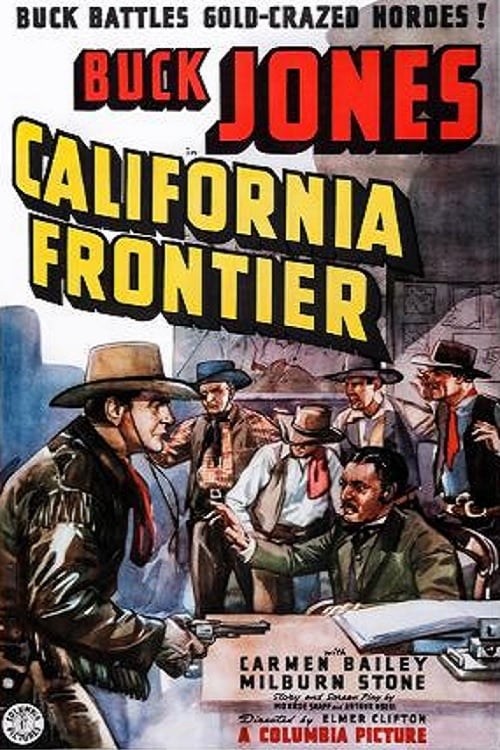
California Frontier
1938
No user ratings available yet
Representation score: 2.2 out of 10
Representation Score
Minimal
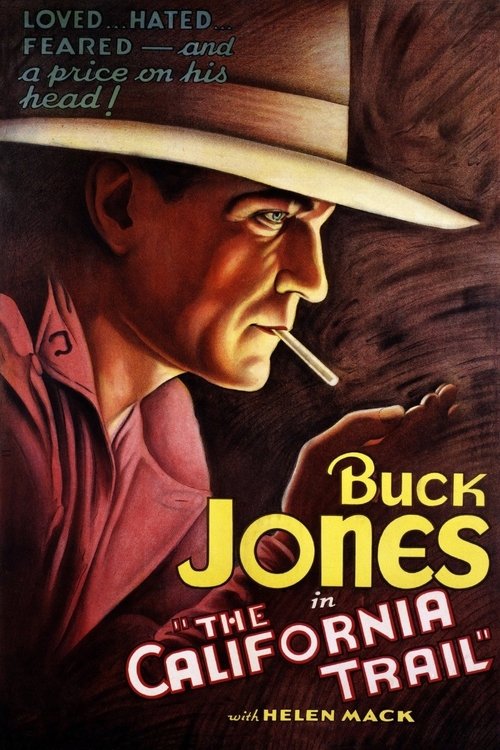
1933
PassedDirector
Lambert Hillyer
Runtime
67 minutes
Average Rating
No ratings yetNew Showbiz Analysis
The California Trail is a conventional Western that relies heavily on established frontier clichés. While the plot introduces a conflict involving the systemic withholding of resources from a peasant class, the execution remains rooted in traditional cinematic hierarchies. The film focuses on the struggle between individual heroism and localized corruption. This narrative structure prioritizes the actions of the male protagonist, Santa Fe Stuart, over a broader exploration of social or multi-layered complexities. Ultimately, the film reinforces the standard social and gendered norms of 1930s American cinema. It lacks the disruption of established hierarchies necessary to move beyond a standard genre piece.
Category Breakdown
There are no visible queer narratives or non-straight identities present in the film. The movie follows a standard social framework that assumes everyone is straight or cisgender.
Female roles seem to play secondary positions, likely serving as catalysts for the male protagonist. The plot centers on male-driven conflict and leadership.
The presence of a Commandante and peasants suggests ethnic diversity, but characters likely function within traditional 1930s frontier casting models. actively leading characters of color are not evident.
The story critiques localized power structures through the withholding of food. However, this tension is framed via individual heroism rather than a broader systemic critique.
No visible or invisible disabilities are documented within the character descriptions or the narrative arc.
Present on Screen
Limited or Absent
Official Synopsis
Santa Fe Stuart, leading a relief train bringing food to the peasants, gets caught up in the Commandante and his brother the Mayor's effort to starve out the peasants. Thrown in jail and about to be hung, he escapes and joins the peasants in their fight against the brothers and their troops...
1938

1939
1943
1940
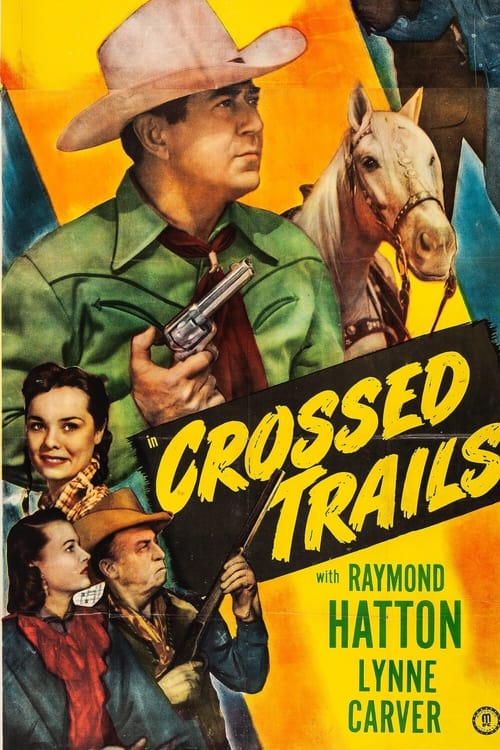
1948
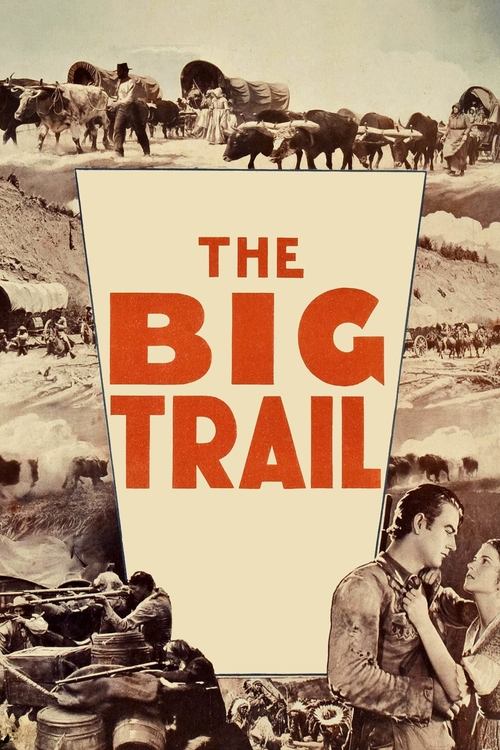
1930
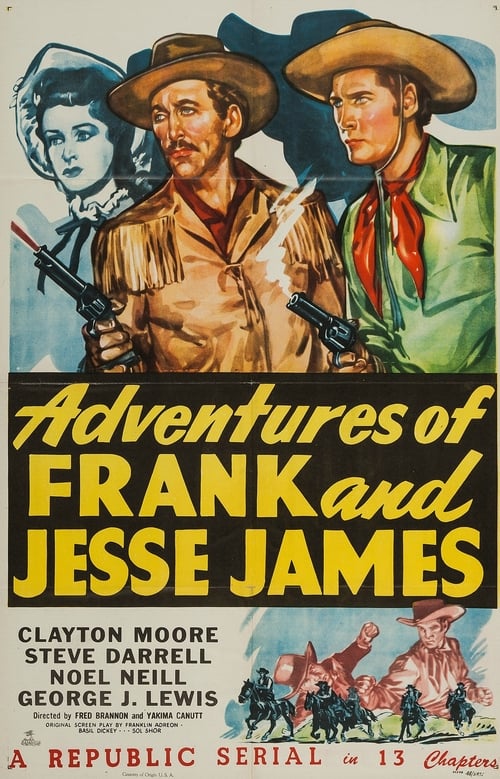
1948
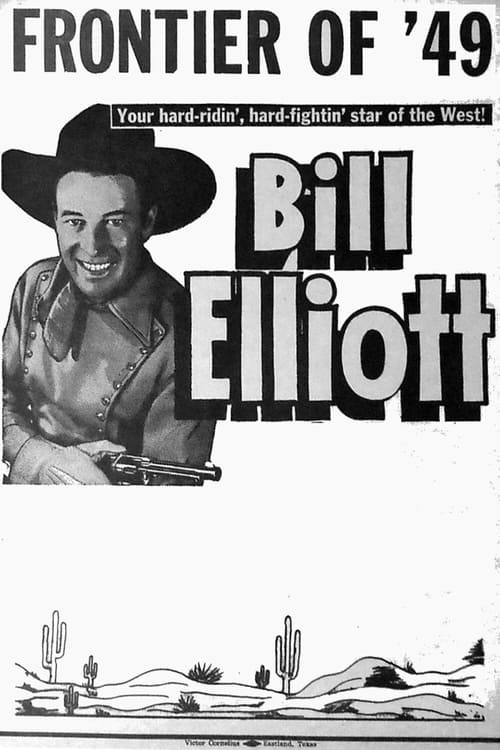
1939
No reviews yet. Be the first to share your thoughts on this movie!
Use the rating form above to leave a star rating and optional review.