Scénario du film Passion
1982
No user ratings available yet
Diversity score: 4.9 out of 10
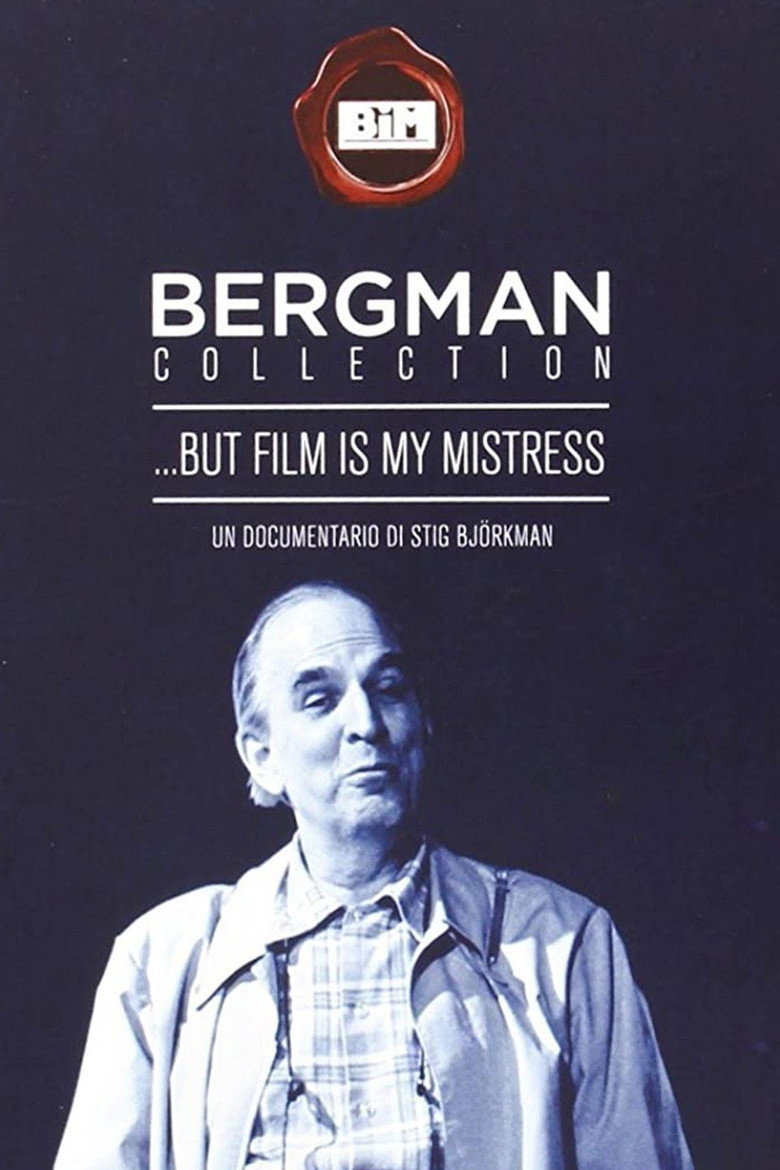
2010
Director
Stig Björkman
Runtime
66 minutes
Average Rating
No ratings yetSynopsis
Guided by Liv Ullmann and with commentaries from a number of prominent filmmakers for whom Bergman is and remains an important influence - such as Woody Allen, Olivier Assayas, Bernardo Bertolucci, Arnaud Desplechin, John Sayles, Martin Scorsese and Lars von Trier, the film provides a vivid portrait of the artist who in each new project found a challenge for himself and for the people he worked with - both actors and colleagues behind the camera.
Overall Score
Fair
Category Breakdown
LGBTQ+ Representation
The documentary explores transgressive and psychologically complex themes through Bergman's legacy. While it lacks explicit queer character arcs, the inclusion of filmmakers like Lars von Trier suggests a narrative space for non-heteronormative perspectives.
Gender Representation
Liv Ullmann serves as a foundational guide, centering the narrative on her perspective. This approach disrupts the 'great man' trope by highlighting women as essential intellectual architects of the cinematic process.
Racial & Ethnic Diversity
The commentary is predominantly Western and Anglo-European, focusing on a specific Swedish and European lineage. While American filmmakers like Woody Allen appear, the film offers limited racial or ethnic intersectionality.
Religious & Cultural Diversity
The film excels at promoting intellectual relativism and subjective morality. It frames the artistic process as a site of constant disruption to established norms and traditional moral structures.
Disability Representation
There is no specific evidence regarding the portrayal of physical or neurodivergent disabilities within this documentary.
Strengths
Areas for Improvement
AI Analysis
The film functions as a sophisticated intellectual exercise that deconstructs the traditional 'director-as-dictator' trope. By centering the collaborative process and the agency of actors like Liv Ullmann, it moves away from singular male-centric narratives toward a shared intellectual history. However, the documentary remains tethered to a specific Western intellectual lineage. The lack of racial intersectionality and explicit LGBTQ+ identity-based narratives limits its demographic breadth, keeping the overall score in a moderate range.
1982
2013
2003
1997
1995
1991

2018
2013

2019
2019

1993

2007
No reviews yet. Be the first to share your thoughts on this movie!
Use the rating form above to leave a star rating and optional review.