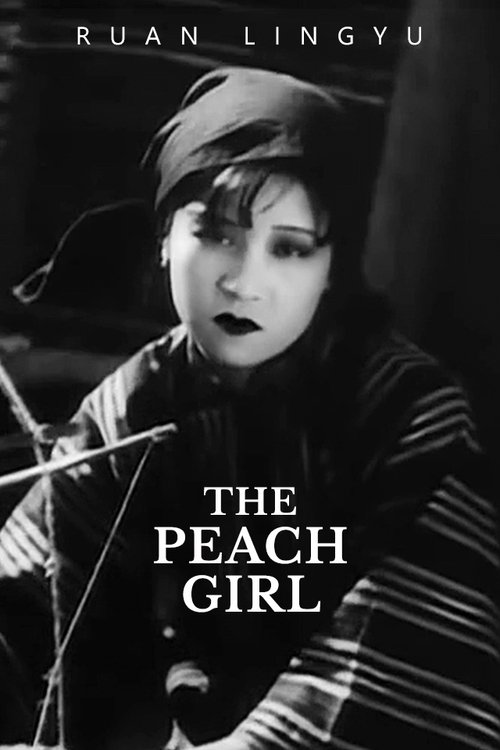
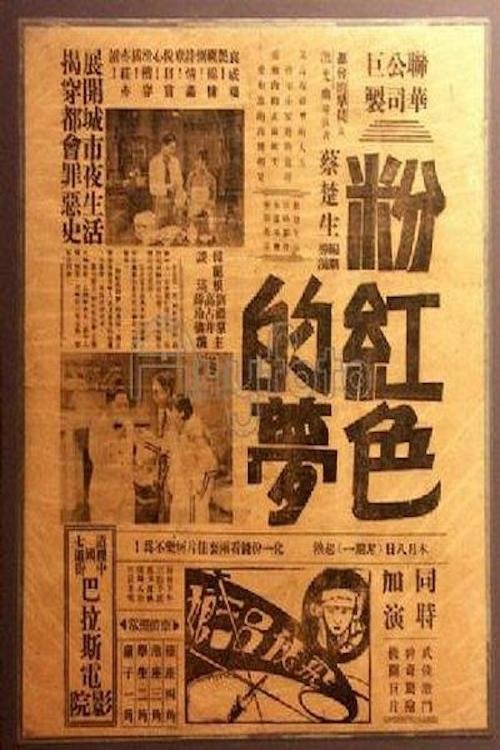
The Peach Girl
1931
No user ratings available yet
Representation score: 3.4 out of 10
Representation Score
Fair
1932
Director
Chusheng Cai
Runtime
83 minutes
Average Rating
No ratings yetNew Showbiz Analysis
Chusheng Cai’s direction provides a social-realist perspective on the tensions of 1930s Shanghai. Using its characters, the film critiques the moral void created by rapid modernization and urban consumerism. While the film presents women through established roles of the domestic stabilizer versus the urban provocateur, it offers a nuanced exploration of female labor and influence. It avoids a one-dimensional portrayal of women by showing these contrasting archetypes. Overall, the film serves as a critique of the superficial 'modern dream,' prioritizing local social substance over the decadent allure of the dance hall culture.
Category Breakdown
The film does not include any non-straight or non-cisgender identities or same-sex relationships. It follows a traditional love triangle structure typical of its time.
Women are portrayed through two contrasting roles: the stabilizing, hardworking wife and the decadent socialite. These roles explore different moral perspectives but do not explicitly challenge patriarchal structures.
The film centers on a Chinese cast based in Shanghai, showcasing the city’s film industry. It highlights the cultural ability to act of the indigenous community amid significant foreign influence.
The film criticizes the superficiality of urban consumerism and the modern, Westernized lifestyle. It contrasts this 'pink dream' with the grounded social realities of the time.
There are no disabilities, either visible or invisible, depicted in the film.
Present on Screen
Limited or Absent
Official Synopsis
Pink Dream tells the story of a young novelist who is supported by a loving and hard-working wife. The novelist, however, is drawn to the decadent life of a socialite who introduces him to the dance halls that dot Shanghai. As the film progresses, the novelist soon learns of the emptiness of this urban existence and rejects it as a "pink dream."
1931
1932
1958
1938
1935

1923
1932

1930
No reviews yet. Be the first to share your thoughts on this movie!
Use the rating form above to leave a star rating and optional review.