Daybreak
1933
No user ratings available yet
Representation score: 4.1 out of 10
Representation Score
Fair
1932
Director
Sun Yu
Runtime
70 minutes
Average Rating
No ratings yetNew Showbiz Analysis
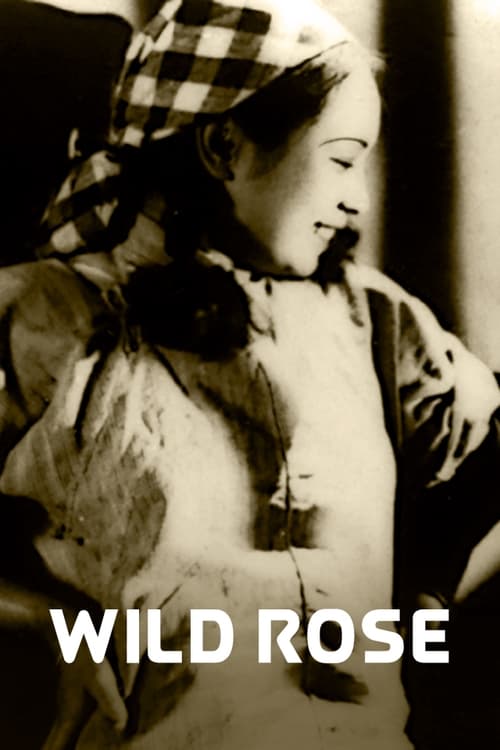
Wild Rose serves as a social realist critique of urban exploitation rather than a simple romance. By centering the narrative on a woman's struggle against poverty and systemic pressure in Shanghai, the film moves away from traditional romantic escapism. While the film lacks LGBTQ+ or disability representation, it succeeds in using a female perspective to examine class vulnerability. The transition from rural life to the city functions as a powerful commentary on the harsh realities of modernization. Ultimately, the film's strength lies in its willingness to confront socioeconomic hardship and the corruption of urban hierarchies.
Category Breakdown
The film focuses on a traditional romantic relationship between a country girl and a painter. There is no indication of non-straight relationships or same-sex intimacy.
The story centers on a female protagonist navigating a male-dominated urban environment. Her journey through exploitation challenges the passive feminine stereotypes common in this era.
The cast is ethnically uniform, reflecting the era's production practices. However, the narrative implicitly critiques the power dynamics found in colonial-era urban centers.
The film uses a social realist framework to critique capitalist expansion and urban corruption. It highlights the decay of modern institutions through the protagonist's struggles.
There is no documented evidence regarding the portrayal of physical or neurodivergent disabilities in this work.
Present on Screen
Limited or Absent
Official Synopsis
A wild country girl moves to Shanghai with her painter boyfriend and experiences exploitation and poverty.
1933
1932
1932

1930
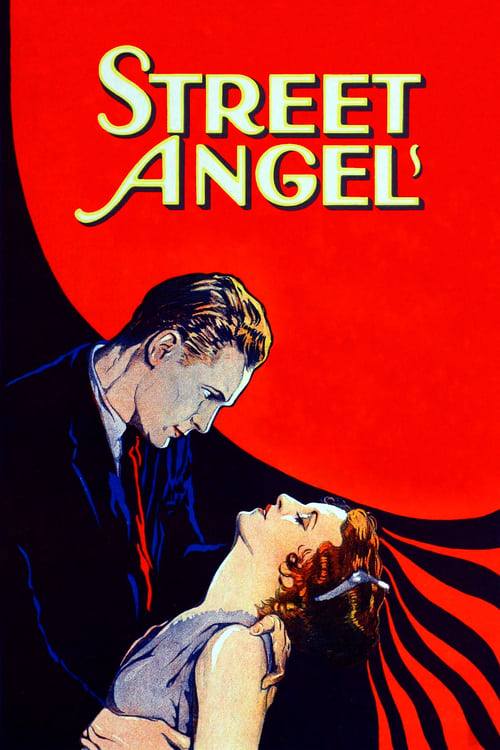
1928
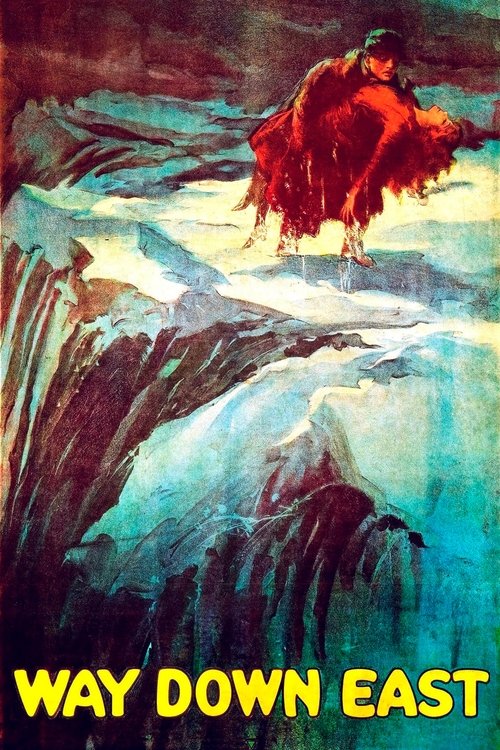
1920
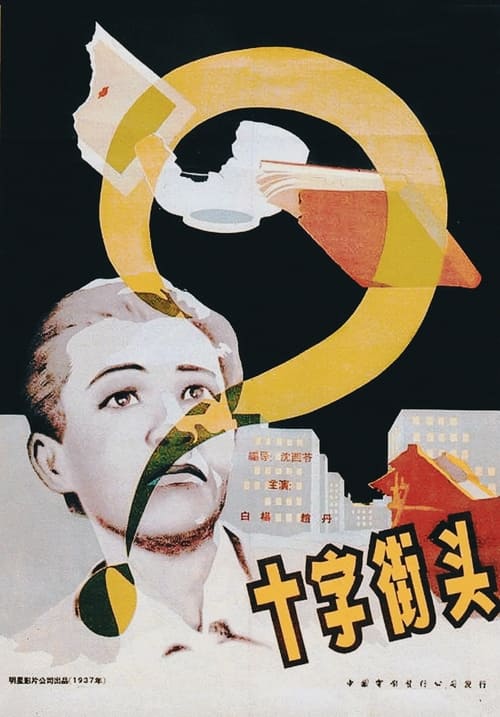
1937
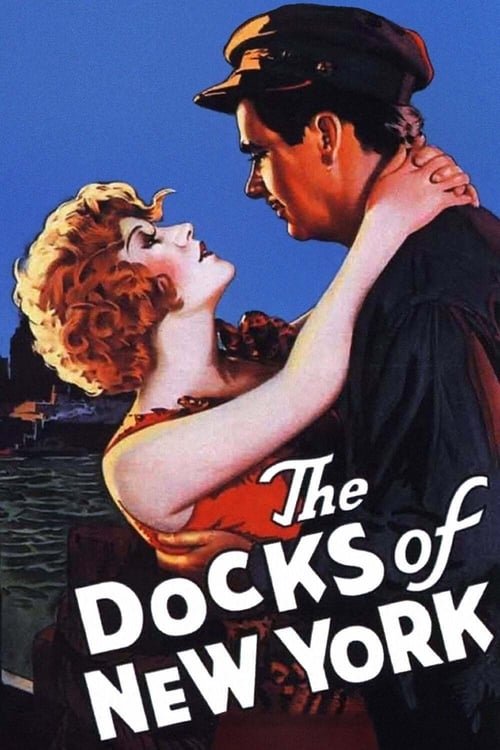
1928
No reviews yet. Be the first to share your thoughts on this movie!
Use the rating form above to leave a star rating and optional review.