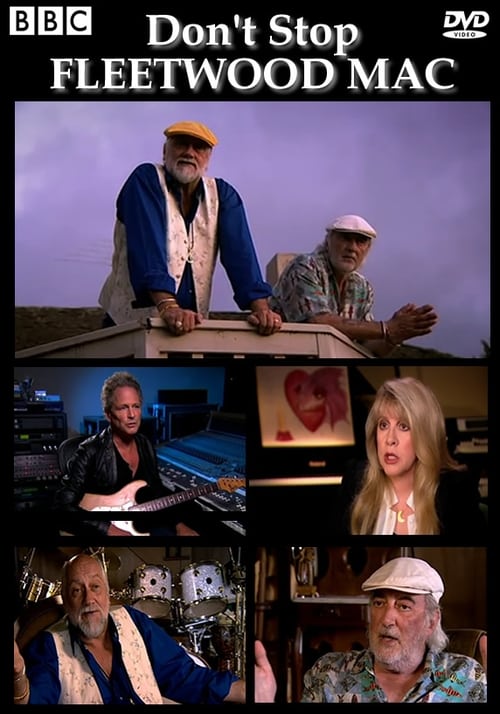
Fleetwood Mac - Don't Stop
2009
No user ratings available yet
Representation score: 4.7 out of 10
Representation Score
Limited
1997
Director
Ken Caillat
Runtime
76 minutes
Average Rating
No ratings yetNew Showbiz Analysis
This documentary delves deeply into the technical and emotional aspects of creating a rock masterpiece. It effectively highlights the musical prowess and pivotal roles of female band members, challenging traditional gender hierarchies through their creative influence. However, the film is confined by the demographic uniformity of its time period. It focuses exclusively on a white, heterosexual cast, limiting opportunities for diverse representation. Overall, while the film offers a nuanced exploration of gender dynamics, it falls short in representing racial, LGBTQ+, and disability diversity.
Category Breakdown
The documentary focuses solely on heterosexual relationships within the band and does not include any queer narratives or non-binary identities.
The film highlights the creative contributions and intellectual influence of Christine McVie and Stevie Nicks, portraying them as key figures in shaping the band's sound rather than just romantic interests.
The production reflects the demographic homogeneity of the 1970s California soft-rock scene. The subjects are predominantly white, with no engagement with racial or ethnic diversity.
The narrative emphasizes personal conflicts and infidelity as drivers of artistic growth, focusing on individual emotional truth rather than traditional social structures.
The film does not depict any visible or invisible disabilities, nor does it show any neurodivergent or chronic illness experiences.
Present on Screen
Limited or Absent
Official Synopsis
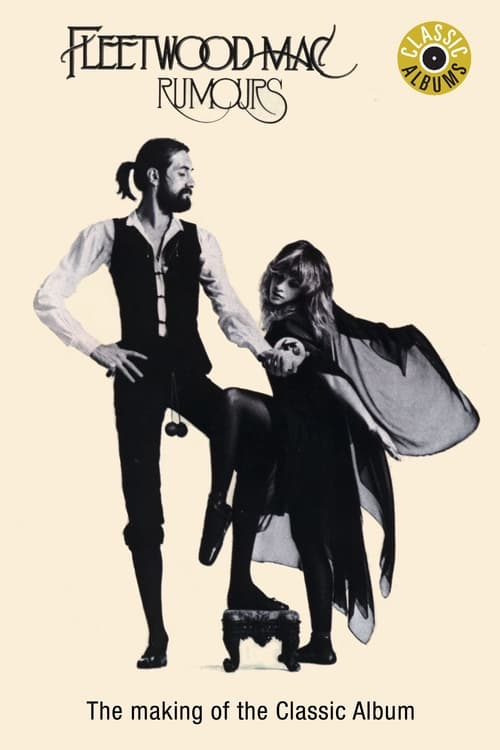
Formed in 1975 from the remnants of a British blues band and a California soft-rock duo, Fleetwood Mac evolved into one of the most successful pop-rock groups of the 1970s--a reputation no doubt cemented by their 1977 masterpiece RUMOURS. One of the bestselling albums of all time, RUMOURS' impeccable songwriting, lush vocal harmonies, and polished production stand as testament to the band's cohesive powers--a fact made even more remarkable by the romantic tensions roiling amongst its members at the time (Lindsey Buckingham and Stevie Nicks were ending their long-term romantic relationship; Christine and John McVie were getting a divorce). This episode of the CLASSIC ALBUMS series recounts the making of Fleetwood Mac's career-making opus through interviews, behind-the-scenes footage, and live performances of timeless gems such as "Don't Stop," "Dreams,""Go Your Own Way," "You Make Loving Fun," "The Chain," and more.
2009
2016

1999
2016

2010
2010
2008
1997
No reviews yet. Be the first to share your thoughts on this movie!
Use the rating form above to leave a star rating and optional review.