
Road Diary: Bruce Springsteen and The E Street Band
2024
No user ratings available yet
Representation score: 3.1 out of 10
Representation Score
Minimal
2010
Not RatedDirector
Thom Zimny
Runtime
85 minutes
Average Rating
No ratings yetNew Showbiz Analysis
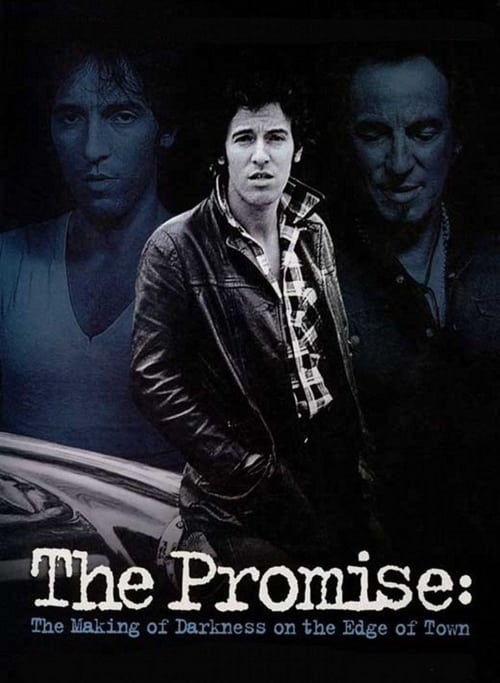
The Promise serves as a historical and musicological record of Bruce Springsteen and the E Street Band. Because it relies on archival footage from the late 1970s, the film naturally reflects the era's lack of social diversity. The documentary prioritizes the technical and emotional labor of artistic production over the exploration of identity or systemic power dynamics. Consequently, the cast and subjects remain largely homogeneous, mirroring the specific rock industry demographics of the time. Ultimately, the film functions as a preservation of a specific moment in American rock history rather than a vehicle for progressive social themes.
Category Breakdown
The film focuses on the professional camaraderie and musical synergy of the E Street Band. It does not include any LGBTQ+ character arcs or narratives that question the assumption that everyone is straight.
The narrative centers on the male-dominated environment of 1970s rock recording sessions. It does not highlight women's ability to drive the story or challenge traditional gender roles within the creative process.
The film primarily features a homogeneous group of white musicians and industry professionals. It reflects the specific demographic makeup of the musical subculture being documented.
The documentary explores themes of artistic struggle and creative excellence. It maintains a traditional biographical tone without emphasizing anti-institutional narratives or significant moral relativism.
There is no focus on visible or invisible disabilities. No characters are portrayed through the lens of neurodivergence or physical impairment.
Present on Screen
Limited or Absent
Official Synopsis
The ninety-minute film combines never-before-seen footage of Springsteen and the E Street Band shot between 1976 and 1978—including home rehearsals and studio sessions — with new interviews with Springsteen, E Street Band members, manager Jon Landau, former-manager Mike Appel, and others closely involved in the making of the record.
2024
2016
2002
2005

2002
2011
2003
1999
No reviews yet. Be the first to share your thoughts on this movie!
Use the rating form above to leave a star rating and optional review.