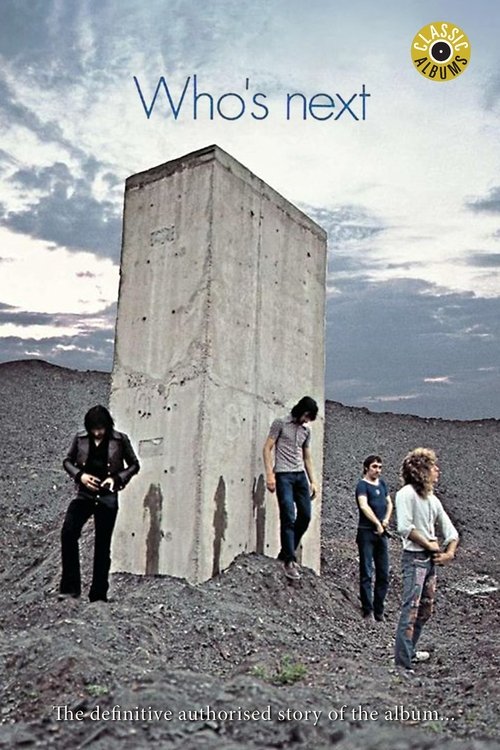
Classic Albums: The Who - Who's Next
1999
No user ratings available yet
Representation score: 0.6 out of 10
Representation Score
Minimal
2001
Director
Bob Smeaton
Runtime
100 minutes
Average Rating
No ratings yetNew Showbiz Analysis
Genesis | Songbook serves as a historical retrospective of a specific progressive rock collective. Its primary purpose is to document the band's evolution from underground experimentalism to mainstream success through oral histories. Because the film is a biographical musical chronicle, it lacks the scripted character arcs or social hierarchies necessary to explore identity politics. The narrative is built around the technical and creative progression of the band members themselves. Consequently, the film reflects the traditional social structures of the 1960s-1990s music industry. It functions as a celebratory archive rather than a tool for socio-political disruption or diverse representation.
Category Breakdown
The documentary focuses solely on the technical and emotional history of the band. It does not include any characters or narratives related to LGBTQ+ identities.
The film centers on a traditionally male-dominated musical group. The discussions are led by male band members, reflecting the gender hierarchy typical of the rock industry.
The subject matter follows a specific British musical tradition. It focuses on the creative output of a predominantly white, Anglo-Saxon musical collective.
The film operates within the context of Western musical history and commercial success. It serves as a celebratory archive of a specific cultural institution.
There is no documented evidence of characters or individuals with visible or invisible disabilities within this musical retrospective.
Present on Screen
Limited or Absent
Official Synopsis
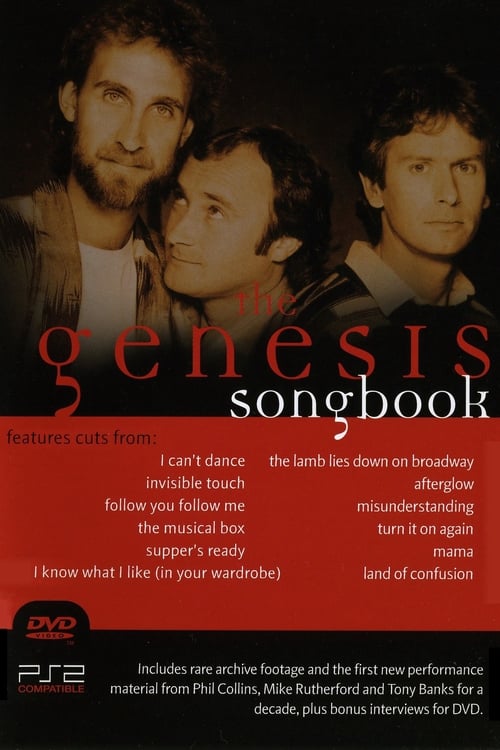
When Peter Gabriel, Tony Banks and Mike Rutherford joined forces in the late sixties, their intentions were not to be recording artists but rather songwriters. That initial plan soon fell by the wayside when they secured a record deal and became Genesis, progressing from the underground scene with such albums as "Trespass" and "Nursery Cryme," to become household names with the addition of drummer/singer Phil Collins and such chart topping albums as "We Can't Dance" and "Invisible Touch." By talking to the individual members of the group, discover what they consider to be their favorite Genesis songs, and why certain songs have a special place in the Genesis story. Song include: I Can't Dance, Invisible Touch, Follow You Follow Me, The Musical Box, Supper's Ready, I Know What I Like (In Your Wardrobe), The Lamb Lies Down on Broadway, Afterglow, Misunderstanding, Turn It On Again, Mama, Land of Confusion.
1999

2010
2002
2012

1999
2003
2014
1997
No reviews yet. Be the first to share your thoughts on this movie!
Use the rating form above to leave a star rating and optional review.