X: The Unheard Music
1986
No user ratings available yet
Representation score: 5.9 out of 10
Representation Score
Minimal
2002
Not RatedDirector
Jack Ofield
Runtime
120 minutes
Average Rating
No ratings yetNew Showbiz Analysis
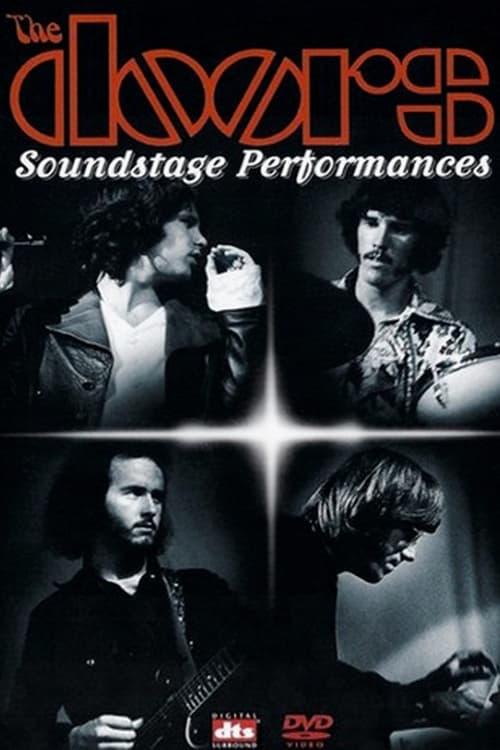
This documentary serves as a historical preservation of The Doors' television appearances between 1967 and 1970. Because it is an archival compilation, it lacks the narrative structure needed to explore complex social identities or overlapping aspects of diversity. The low diversity score is a result of the film's specialized nature. It prioritizes musical history over the intentional examination of systemic power dynamics or the representation of diverse demographics. Ultimately, the work is a time capsule of a specific era and group, offering a narrow but authentic look at a single musical entity.
Category Breakdown
The archival footage from 1967 to 1970 does not include any documented LGBTQ+ characters or narratives. The focus remains strictly on musical performances and interviews.
The documentary centers on the male members of The Doors. It emphasizes their professional competence without challenging traditional gender roles.
The performances feature an all-white musical group. This reflects the specific historical context and composition of the band during the late 1960s.
The film captures the counter-cultural ethos and non-traditional spirituality of the late 1960s. However, it lacks a cohesive ideological framework or explicit political narrative.
There is no evidence of individuals with visible or invisible disabilities within the archival footage. The content is limited to the band and musical context.
Present on Screen
Limited or Absent
Official Synopsis
Three different TV appearances ('67-'70) including old interviews, performances and the commentaries about specific songs by band members.
1986
2016
2005
1968
1999

2002
2010
2007
No reviews yet. Be the first to share your thoughts on this movie!
Use the rating form above to leave a star rating and optional review.