
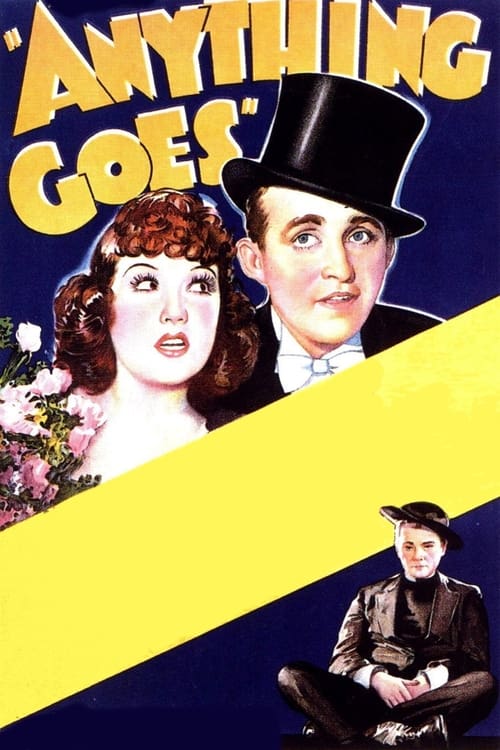
Anything Goes
1954
No user ratings available yet
Representation score: 1.4 out of 10
Representation Score
Minimal
1936
NRDirector
Lewis Milestone
Runtime
92 minutes
Average Rating
No ratings yetNew Showbiz Analysis
Anything Goes is a classic period piece that reflects the social structures of 1930s Hollywood. It serves as escapist entertainment, focusing on the high-society antics and comedic misunderstandings aboard a luxury liner. Though the film offers minor subversions through female wit, it does not intentionally address issues of identity or systemic representation. The narrative remains firmly grounded in the conventions of the era, emphasizing demographic homogeneity. Ultimately, the film prioritizes the comfort of the upper class over any engagement with diverse perspectives or social critiques.
Category Breakdown
The film does not include any LGBTQ+ characters or non-straight relationships. All romantic relationships are between heterosexual couples.
Eve Arden's characters use quick wit and sharp dialogue to play significant roles in the story. However, the film's narrative is rooted in 1930s clichés that limit a deeper exploration of gender dynamics.
The cast and setting are predominantly white and Anglo-Saxon. There is no representation of racial or ethnic diversity.
The film focuses on the luxurious lifestyle of the upper class without engaging in any cultural or moral critique of Western institutions.
The film does not portray any visible or invisible disabilities. Characters are depicted as fully able-bodied and fit into typical comedic roles.
Present on Screen
Limited or Absent
Official Synopsis
A young man falls in love with a beautiful blonde. When he sees her being forced onto a luxury liner, he decides to follow and rescue her. However, he discovers that she is an English heiress who ran away from home and is now being returned to England. He also discovers that his boss is on the ship. To avoid discovery, he disguises himself as the gangster accomplice of a minister, who is actually a gangster on the run from the law.
1954

1931
1941

1937

1943
1945

1933
1932
No reviews yet. Be the first to share your thoughts on this movie!
Use the rating form above to leave a star rating and optional review.