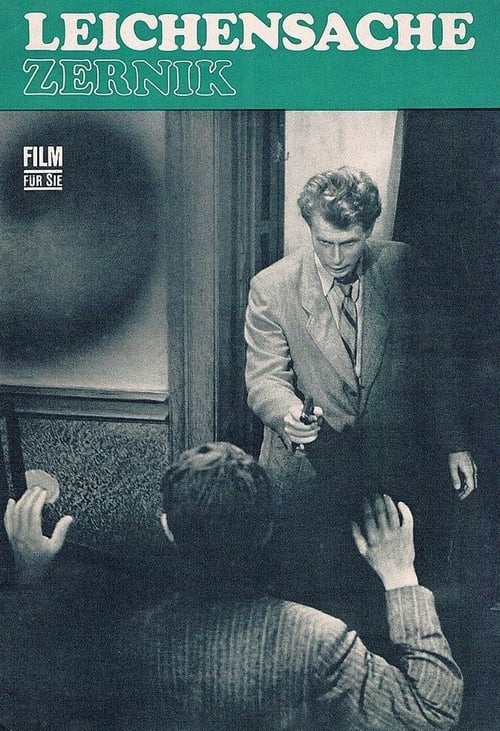
The Zernik Murder Case
1972
No user ratings available yet
Representation score: 3.1 out of 10
Representation Score
Limited
1969
Director
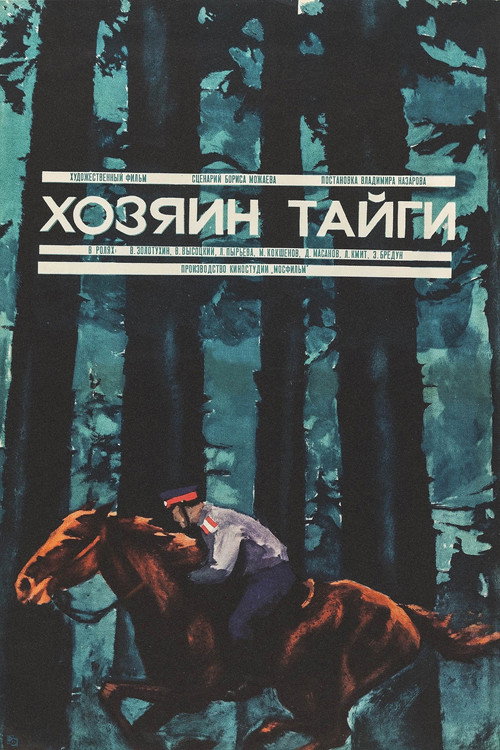
Vladimir Nazarov
Runtime
79 minutes
Average Rating
No ratings yetNew Showbiz Analysis
This film is a product of late-1960s Soviet cinema, which emphasizes state-aligned morality and traditional social hierarchies. The narrative centers on a male-led investigation within a homogeneous community, offering little space for diverse perspectives. Representation is constrained by the era’s focus on collective responsibility and masculine authority. The mystery serves to reinforce the importance of the legal system and institutional order within a localized setting. Ultimately, the film reflects the demographic and social limitations of its time, favoring traditional roles and a singular cultural framework over diverse storytelling.
Category Breakdown
The film does not include any characters with non-straight relationships or same-sex intimacy. It follows the traditional social structures of Soviet filmmaking from the late 1960s.
Men play the key roles in the film, particularly the protagonist Vasily Seryozhkin and the thief. Women do not significantly influence the central mystery.
The remote taiga setting implies a homogeneous ethnic makeup. There is no indication of multi-ethnic casting, reflecting the demographics of the time.
The story upholds state-sanctioned morality and institutional order. The central conflict supports community integrity and the legal system, reinforcing cultural norms.
There is no mention of characters with visible or invisible disabilities. The information available does not allow for an assessment of representation in this area.
Present on Screen
Limited or Absent
Official Synopsis
In the taiga village, where everyone is in sight, almost unbelievable happens — a local store is robbed. One of the rafters of the forest is recognized as a hacker, but some inconsistencies haunt the young precinct Vasily Seryozhkin.
1972
1997
1975
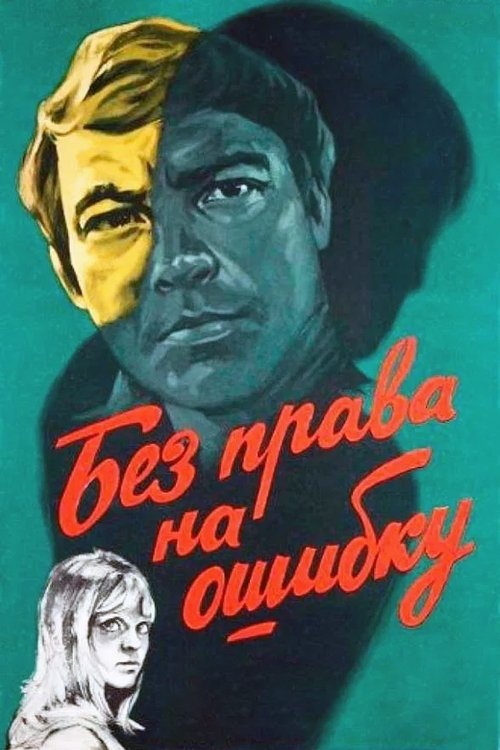
1975
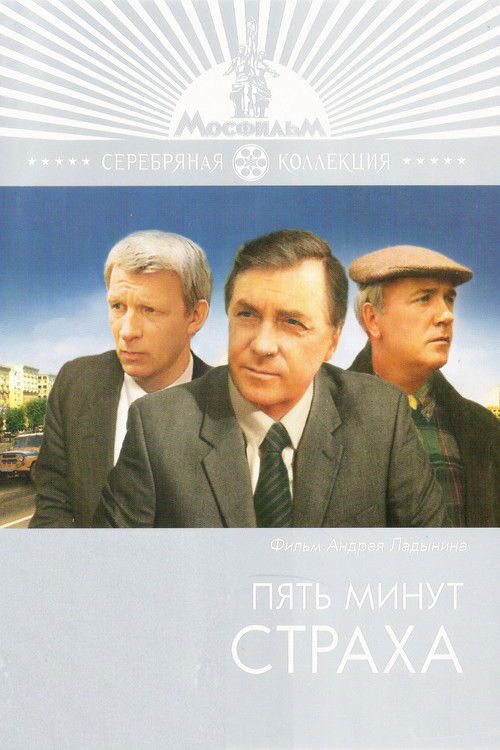
1986
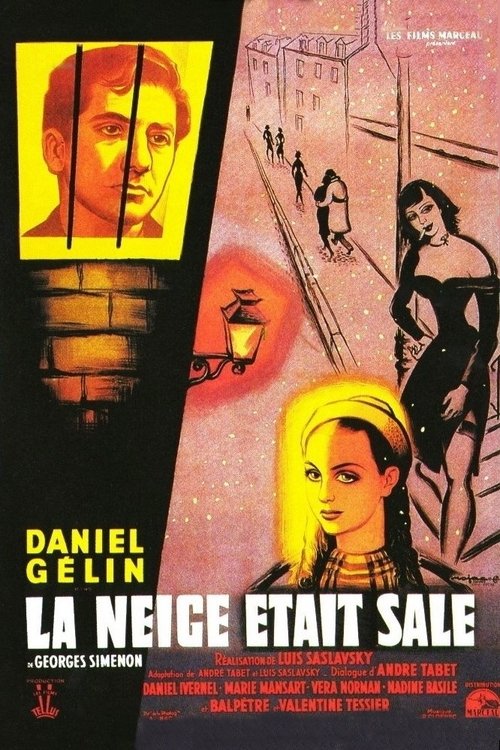
1953
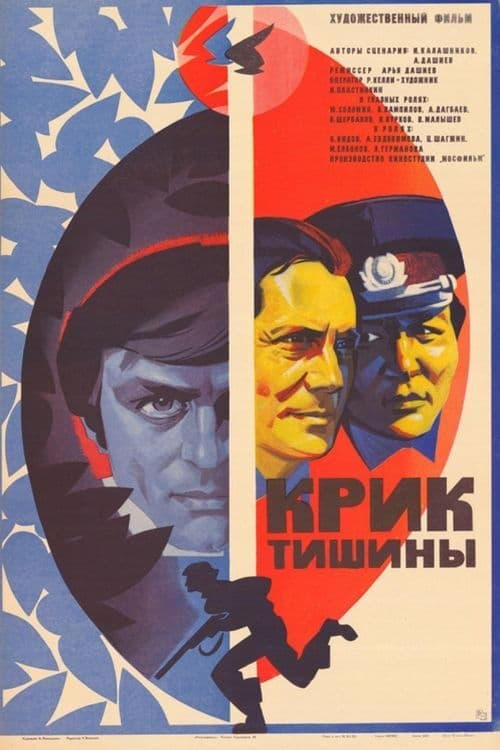
1982

1980
No reviews yet. Be the first to share your thoughts on this movie!
Use the rating form above to leave a star rating and optional review.