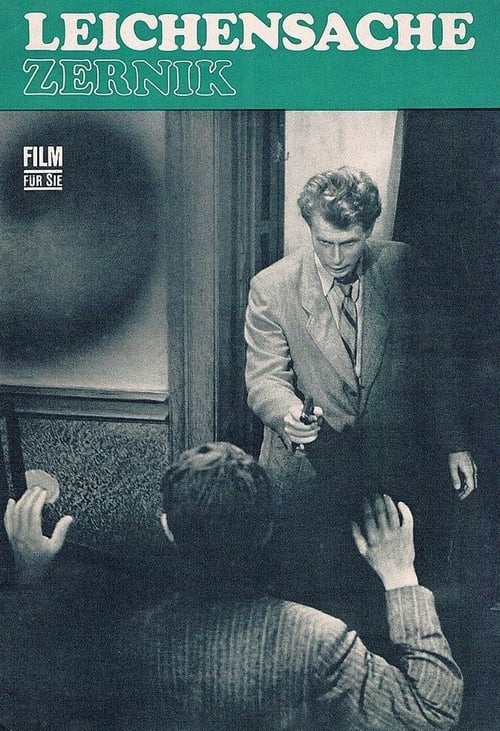
The Zernik Murder Case
1972
No user ratings available yet
Representation score: 3.1 out of 10
Representation Score
Limited
1953
Director
Luis Saslavsky
Runtime
110 minutes
Average Rating
No ratings yetNew Showbiz Analysis
Stain on the Snow is a mid-century psychological drama that emphasizes individual psychosis over social diversity. Set against the backdrop of the Nazi occupation, the film's scope of racial and ethnic representation is limited to a largely homogeneous cast. While the film lacks contemporary markers of diversity, it delves into the deconstruction of morality. By focusing on a protagonist's descent into debauchery and violence, the film challenges conventional social structures and the concept of the stable citizen. Ultimately, the film reflects the social constraints of its time. It centers on traditional familial shame and nationalistic conflict, avoiding diverse identity frameworks, resulting in a focused character study.
Category Breakdown
The film does not include any explicit LGBTQ+ characters or non-straight relationships. The story revolves around the protagonist's descent into depravity due to his mother's profession.
Gender dynamics play a key role in the male lead's psychological collapse. The film examines women's ability to drive the story through a stigmatized profession but keeps the focus on male reactions.
Set during the Nazi occupation of France, the cast appears largely homogeneous. The film centers on French and German characters, showing limited diversity.
The film explores moral relativism by depicting a protagonist who rejects social norms. It uses the Nazi occupation to challenge traditional authority and social stability.
The film does not feature any characters with physical or neurodivergent disabilities. There is no portrayal of individuals with disabilities having ability to act.
Present on Screen
Limited or Absent
Official Synopsis
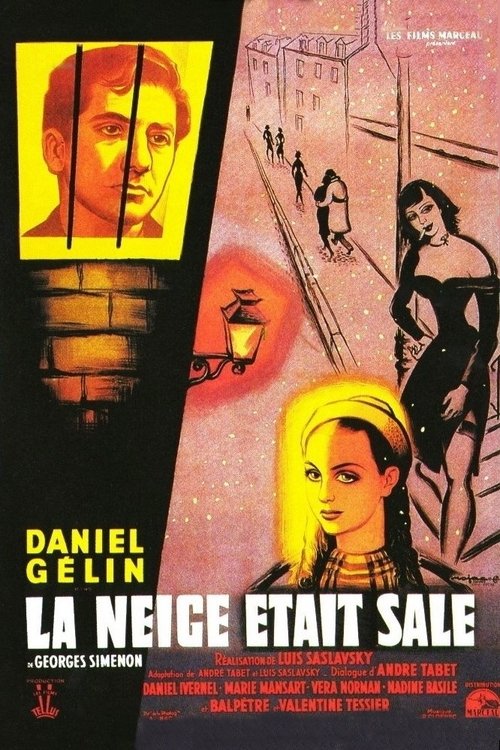
"La neige était sale" is based on a novel and play by the phenomenally prolific Georges Simenon. Upon learning that his mother was a prostitute, Frank (Daniel Gélin) dejectedly vows that he, too, will live a life of debauchery. Part of his self-degradation program is to kill someone, and since the story takes place during the Nazi occupation of France, he chooses a German officer as his victim. His steady descent into psychosis and depravity becomes his ultimate undoing.
1972

1958

1975

1939

1943

1950

1956
1953
No reviews yet. Be the first to share your thoughts on this movie!
Use the rating form above to leave a star rating and optional review.