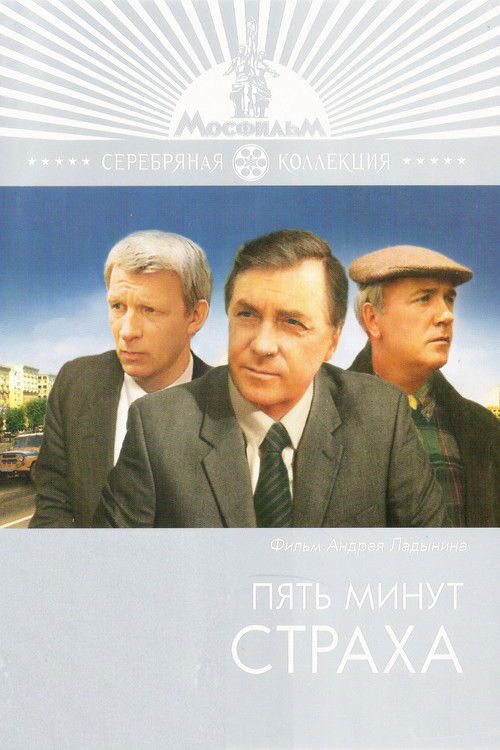
Five Minutes of Fear
1986
No user ratings available yet
Representation score: 2.5 out of 10

Representation Score
Minimal
1980
Director
Boris Grigorev
Runtime
83 minutes
Average Rating
No ratings yetNew Showbiz Analysis
Petrovka Street, Number 38 is a product of Soviet Social Realism, emphasizing social order and civic duty. The narrative structure reinforces existing institutional hierarchies without challenging them. Representation is limited by the film's historical context. The focus remains on male-led state institutions, resulting in a lack of diverse gender dynamics and identity-based narratives. While the cast reflects the multi-ethnic reality of the Soviet Union, the film serves as a study of institutional stability. It lacks the intentionality needed to challenge traditional power dynamics or promote modern characters who reflect more than one aspect of diversity.
Category Breakdown
The film follows the social norms of its time and does not depict non-traditional gender identities or challenge the idea that everyone is straight.
Male characters lead the criminal investigation, while women are mostly shown in domestic or supportive roles, reinforcing traditional gender roles.
The cast includes a mix of ethnicities reflecting the multi-ethnic makeup of the Soviet Union, including Slavic and possibly Central Asian backgrounds.
The story focuses on the Soviet institutional framework, emphasizing social cohesion and the effectiveness of state laws, without exploring diverse cultural or religious perspectives.
The film does not focus on characters with visible or invisible disabilities. Characters are primarily defined by their professional roles or social functions within the investigation.
Present on Screen
Limited or Absent
Official Synopsis
Employees of the Moscow Criminal Investigation Department - Colonel Alexei Pavlovich Sadchikov, Major Vladislav Nikolaevich Kostenko and Senior Lieutenant Valentin Roslyakov are investigating the impudent robberies carried out by a group wearing dark glasses criminals. The City Savings Bank was robbed. The investigation of the crime indicated the involvement of a teenager, who soon came to the criminal investigation himself. With his help, the robbers who were preparing the next raid were caught. But the most dangerous criminal — "Prokhor" — is still free...
1986
1937

1981
1971
1971

1981
1975
1979
No reviews yet. Be the first to share your thoughts on this movie!
Use the rating form above to leave a star rating and optional review.