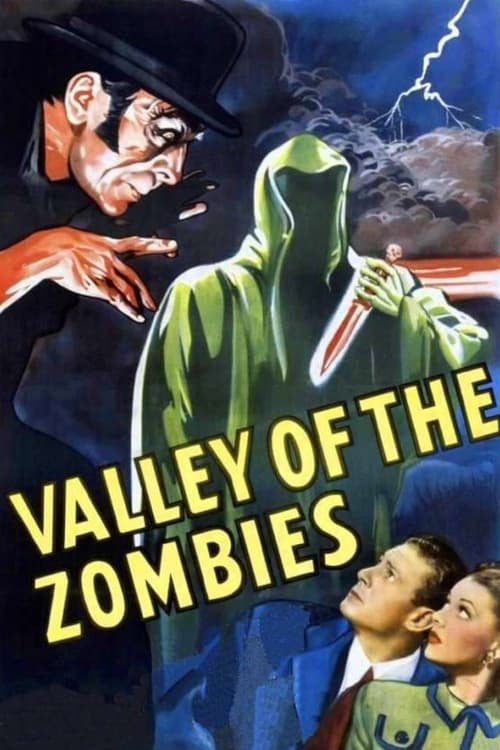
Valley of the Zombies
1946
No user ratings available yet
Representation score: 2.4 out of 10
Representation Score
Limited
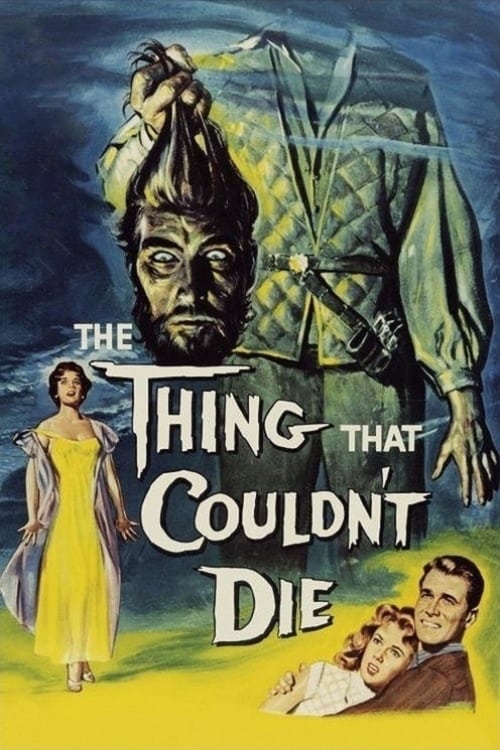
1958
ApprovedDirector
Will Cowan
Runtime
69 minutes
Average Rating
No ratings yetNew Showbiz Analysis
The film adheres to the genre conventions of mid-century cinema, focusing on supernatural horror rather than progressive storytelling. It follows the standard demographic and narrative patterns of 1950s films. While the female psychic character offers some independence, her role is shaped by a hypnotic connection to a male-coded entity. This limits the film's ability to showcase truly independent female power. Overall, the work remains a conventional genre piece. It lacks the depth and systemic challenges needed to move beyond the era's traditional social norms.
Category Breakdown
The film does not include any characters with LGBTQ+ identities. The main plot revolves around a psychic woman and a disembodied entity, sticking to traditional horror themes.
A female psychic character has some independence for the time period. However, her abilities are tied to a hypnotic relationship with a male-coded entity, reflecting traditional gender dynamics.
The cast is predominantly white and Anglo-centric, typical of 1950s Western horror. There are no diverse character arcs or race-bent casting.
Mysticism and psychic phenomena are used to create a supernatural framework. However, the story does not delve into complex critiques of Western institutions or capitalism.
The disembodied head serves as a horror device rather than a nuanced exploration of disability. Characters with disabilities are not given significant roles or ability to act.
Present on Screen
Limited or Absent
Official Synopsis
A 400 year old disembodied head hypnotizes a female psychic, who recovered it using a dowsing rod, to search for the rest of its body.
1946
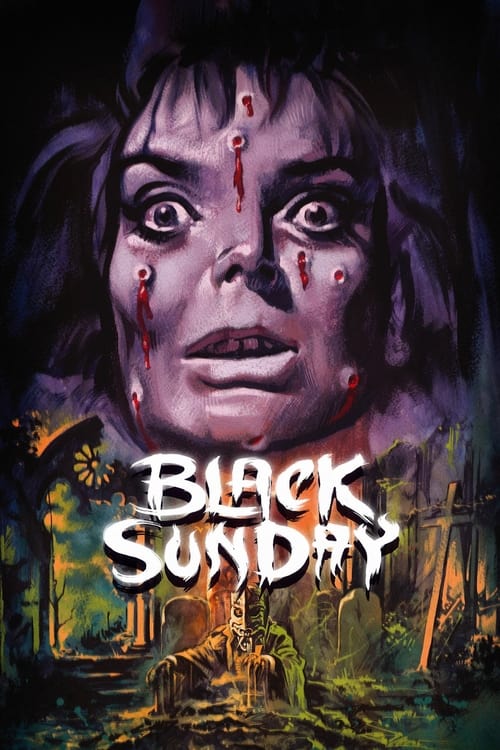
1960
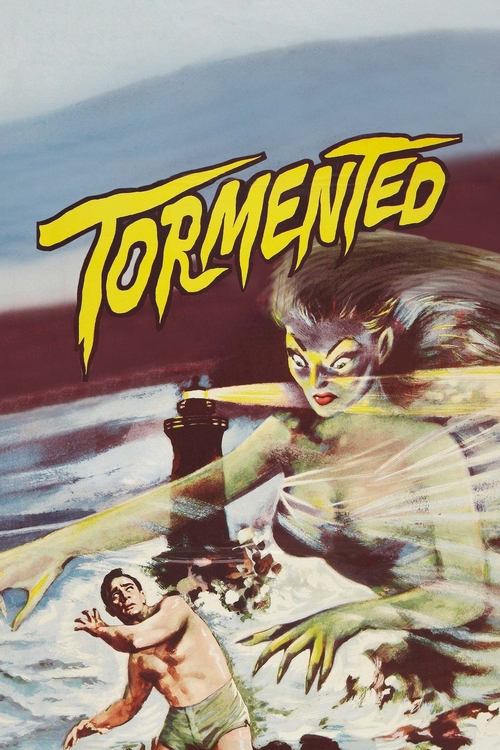
1960
1964
1959
1967
1978

1975
No reviews yet. Be the first to share your thoughts on this movie!
Use the rating form above to leave a star rating and optional review.