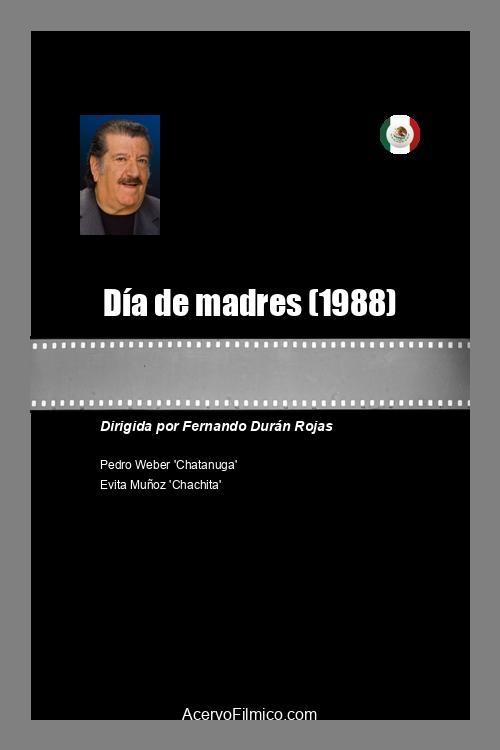
Dia de Madres
1988
No user ratings available yet
Representation score: 2.9 out of 10

Representation Score
Limited
2018
Director
Ibon Cormenzana
Runtime
96 minutes
Average Rating
No ratings yetNew Showbiz Analysis
Alegría, tristeza is a psychological drama that prioritizes individual emotional truth over broader societal representation. It avoids grand political narratives to focus on the dissolution of a nuclear family. The film's strength lies in its refusal to idealize domestic life. By centering on a protagonist reclaiming her identity outside of motherhood, it offers a sophisticated departure from traditional maternal roles. However, the film is highly localized and lacks multi-layered breadth. It remains grounded in a homogeneous socioeconomic milieu, offering little engagement with broader demographic diversity or identity politics.
Category Breakdown
The film does not include any LGBTQ+ characters or stories. Personal conflicts are focused within a traditional, fractured heterosexual framework.
The story challenges traditional maternal roles by focusing on a female protagonist's instability. It explores female autonomy and the emotional labor involved in navigating failed domesticity.
Casting and settings are predominantly homogeneous. The film functions as a localized study of a specific middle-class Spanish socioeconomic context.
The narrative deconstructs the ideal family unit, presenting the domestic structure as a site of instability. It lacks explicit anti-religious or anti-capitalist themes.
No visible or invisible disabilities are portrayed as central to the character arcs or the narrative progression.
Present on Screen
Limited or Absent
Official Synopsis
Write your opinion so that the rest of the users can read it.
1988

2018

2017
2005

2008

2023

2017
2017
No reviews yet. Be the first to share your thoughts on this movie!
Use the rating form above to leave a star rating and optional review.