
Ekisporter
2015
No user ratings available yet
Representation score: 2.9 out of 10
Representation Score
Limited
1988
Director
Javier Durán
Runtime
0 minutes
Average Rating
No ratings yetNew Showbiz Analysis
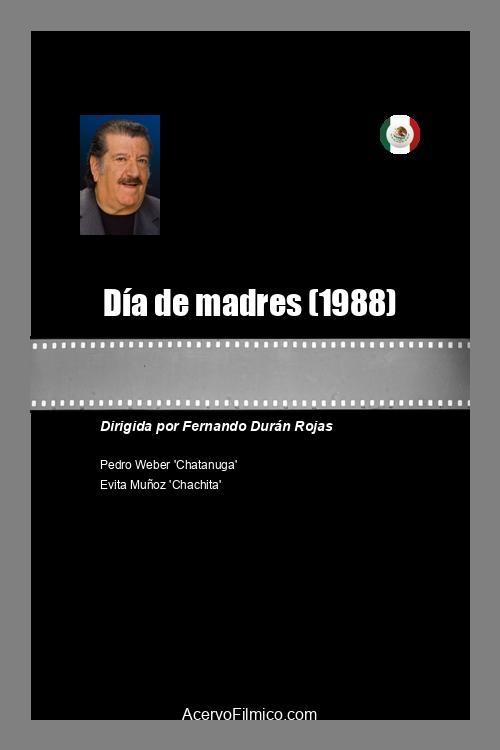
Dia de Madres is a family drama set in Mexico during the late 20th century. It focuses on realistic domestic situations and traditional social structures rather than exploring diverse identities. The film successfully centers a non-Western cultural perspective, offering a specific Mexican viewpoint. However, it primarily upholds traditional moral frameworks and domestic stability without challenging systemic power dynamics or representing underrepresented identities.
Category Breakdown
The film follows the typical norms of 1980s Mexican cinema and does not include any characters with non-traditional gender identities or stories that question the idea that everyone is straight or cisgender.
The movie likely focuses on traditional female roles and family dynamics, which may reinforce the idea that women have certain traditional roles in the home and society.
The film offers a strong representation of Mexican identity and culture, presenting a non-Western cultural perspective as its main viewpoint.
The story highlights traditional Mexican values and the importance of the family unit, without questioning these established social customs.
No specific information regarding the portrayal of physical or neurodivergent characters is available.
Present on Screen
Limited or Absent
2015
1966

2018

1969

1991

1988

2012

2008
No reviews yet. Be the first to share your thoughts on this movie!
Use the rating form above to leave a star rating and optional review.