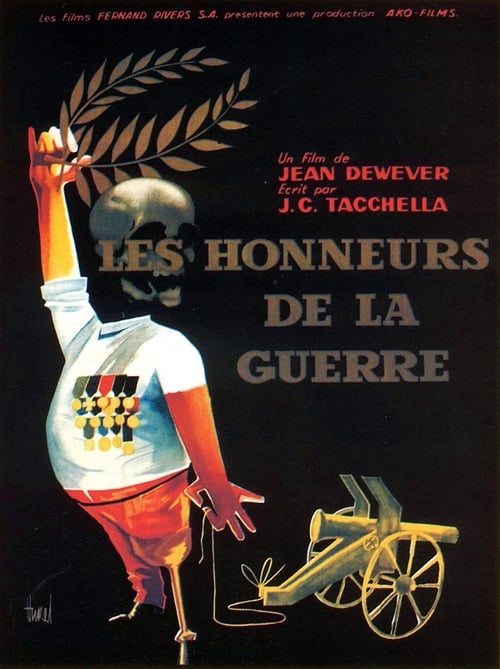
The Honors of War
1962
No user ratings available yet
Diversity score: 2.4 out of 10
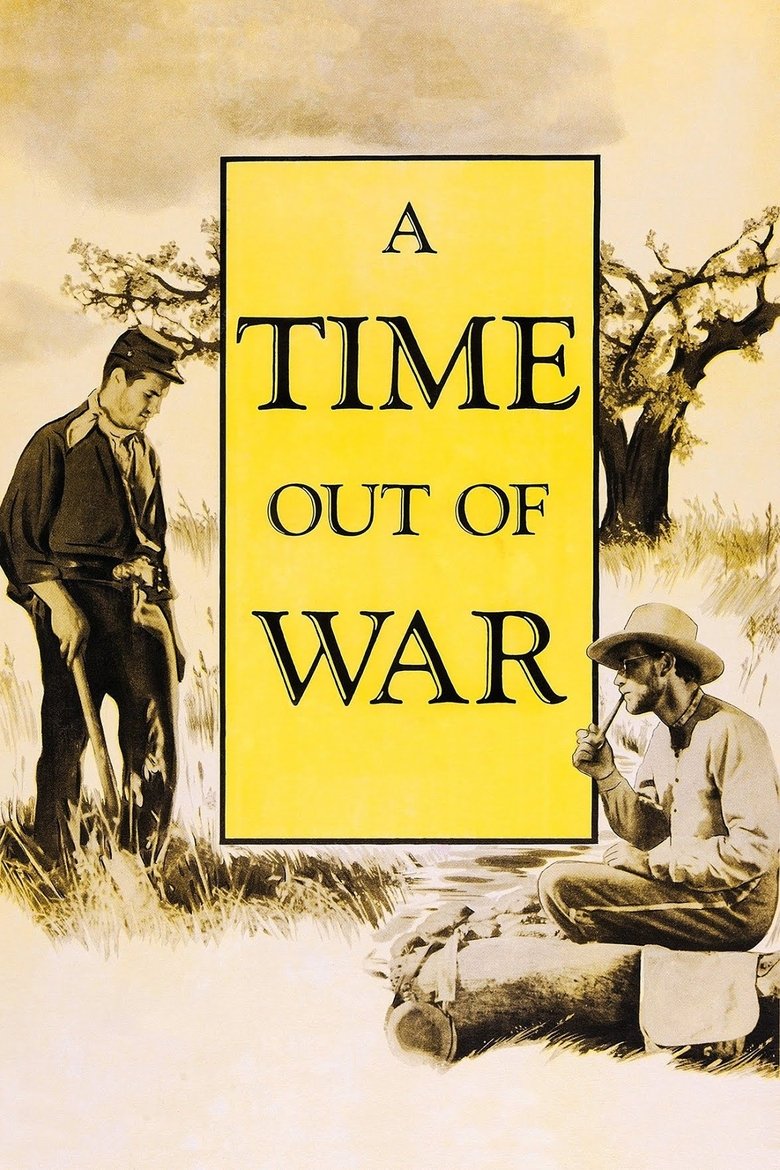
1954
Director
Denis Sanders
Runtime
23 minutes
Average Rating
No ratings yetSynopsis
Two Union soldiers maintaining a position on a riverbank negotiate a one-hour truce with the Confederate soldier manning the opposite bank. During the hour, they gain respect for one another as they trade tobacco, enjoy some fishing and make an unsettling discovery.
Overall Score
Limited
Category Breakdown
LGBTQ+ Representation
The film centers on a traditional masculine military environment. There is no evidence of non-cisnormative identities or same-sex intimacy, adhering to mid-century heteronormative social structures.
Gender Representation
Narrative focus remains almost exclusively on male agency within a combat setting. The framework reinforces traditional masculine roles of the era with little subversion of gendered social hierarchies.
Racial & Ethnic Diversity
Casting is centered on white combatants from the Union and Confederacy. The narrative lacks diverse racial agency or intersectional representation within the immediate character arcs.
Religious & Cultural Diversity
The film explores moral complexity through opposing factions but does not critique Western institutions. It functions as a character study rather than an anti-establishment critique.
Disability Representation
There is no discernible evidence of characters navigating physical, neurodivergent, or mental health disabilities. The focus remains on the psychological tension of the truce.
Strengths
Areas for Improvement
AI Analysis
A Time Out of War is a period-specific dramatic study that prioritizes a localized exploration of wartime humanism. While it offers a nuanced look at human connection through a temporary truce, it remains deeply rooted in the homogeneous social hierarchies of its era. The film lacks intersectional depth, focusing strictly on white male combatants. This narrow lens results in a narrative that reinforces traditional gender roles and excludes diverse racial and LGBTQ+ perspectives. Ultimately, the work functions as a traditionalist character study. It succeeds in portraying interpersonal bonds but fails to challenge the systemic exclusions prevalent in mid-century cinematic storytelling.
1962
1969

1970
1968
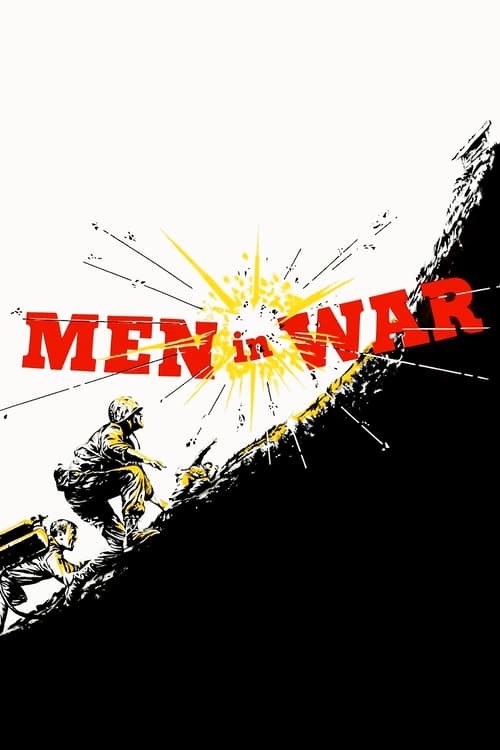
1957
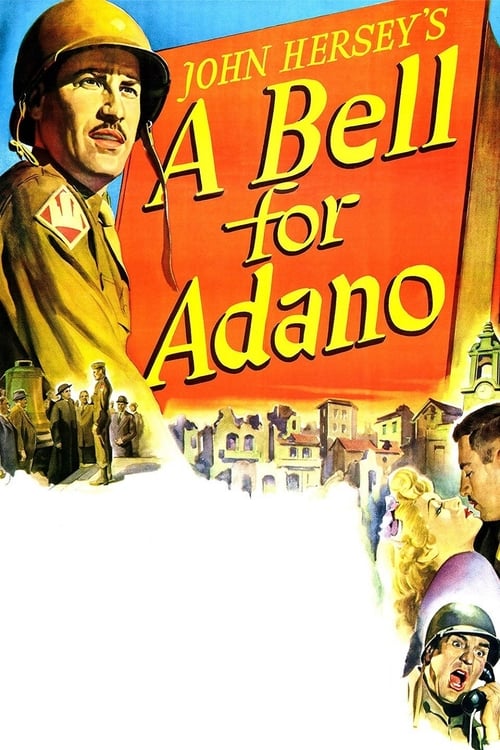
1945
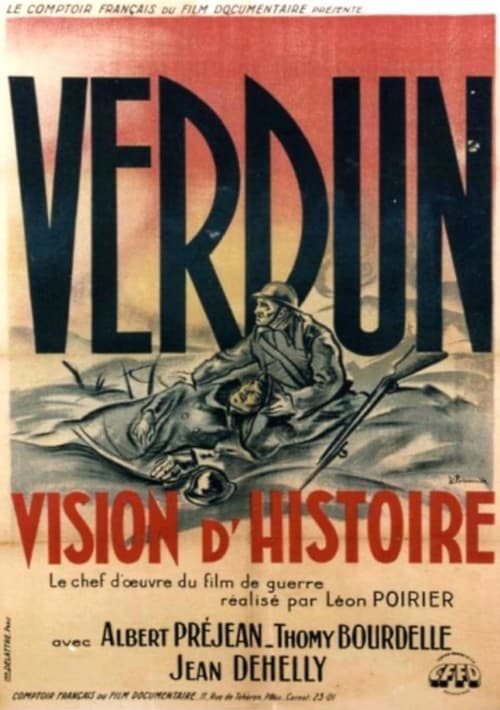
1928
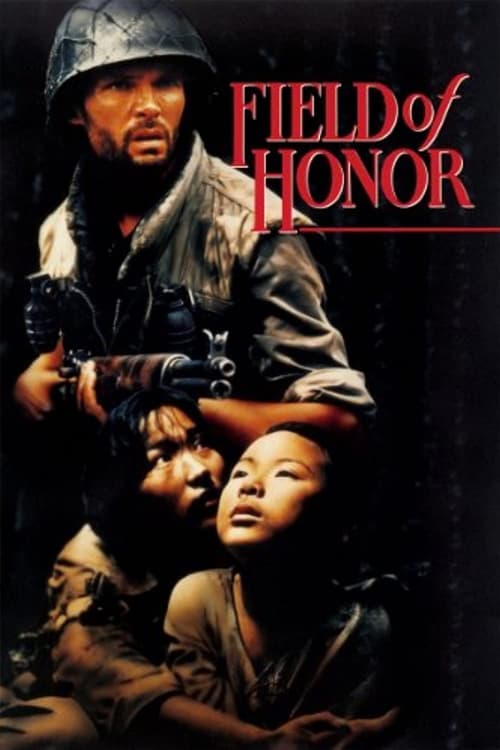
1986
1945
1975
2014
1967
No reviews yet. Be the first to share your thoughts on this movie!
Use the rating form above to leave a star rating and optional review.