
Dillagi
1999
No user ratings available yet
Representation score: 2.8 out of 10
Representation Score
Minimal
1999
Director
Satish Kaushik
Runtime
168 minutes
Average Rating
No ratings yetNew Showbiz Analysis
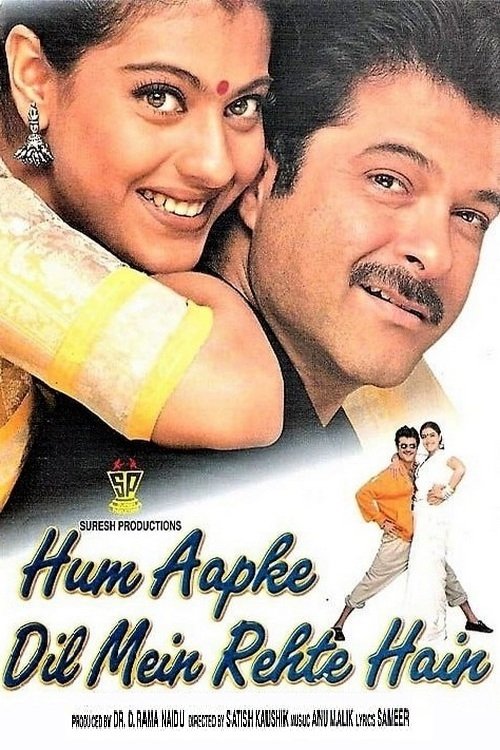
Hum Aapke Dil Mein Rehte Hain is a typical mainstream melodrama that prioritizes traditional social structures over progressive changes. The film serves to reinforce the cultural norms of its time rather than challenge them. The narrative structure supports established hierarchies related to gender and family. While the female lead demonstrates independence, the overall reliance on conventional romantic clichés limits the scope of representation. Ultimately, the film provides a stable, conventional moral framework centered on preserving the existing social and familial order.
Category Breakdown
The film does not feature any LGBTQ+ characters or explore non-straight relationships. The central plot revolves around a traditional marriage contract and follows a conventional romantic storyline.
Megha shows independence by rejecting the initial marriage terms but the story ultimately resolves through traditional romantic clichés and patriarchal growth arcs.
The cast is ethnically uniform, reflecting the film's domestic setting. While it accurately represents the intended audience's ethnicity, it does not showcase diverse backgrounds or multi-layered complexities.
The story upholds traditional values centered around the nuclear family and social stability. It emphasizes familial duty and celebrates the preservation of the traditional marriage unit.
The film does not include any visible or invisible disabilities. There are no neurodivergent or physically disabled characters featured in the main storylines.
Present on Screen
Limited or Absent
Official Synopsis
Vishwanath is a multi-millionaire industrialist, who lives in a palatial house, with his only chid, a son named Vijay. Vijay has been literally born with a silver spoon in his mouth, and indulges in life's temptations and weaknesses to the extreme. Vishwanath would like his son to get married and be responsible. Vijay agrees to get married on condition that his future bride sign an agreement that the marriage is on a trial basis for one year, and thereafter is Vijay does not fall in love with her, the marriage gets annulled. Vishwanath asks his personal assistant, Megha, to quit her job and marry Vijay, but Megha refuses. Megha comes from a poor family, consisting of her mom, two other sisters, and one brother. Written by Shrikant
1999
1989
2002
1994
1991
1997
1993
1998
No reviews yet. Be the first to share your thoughts on this movie!
Use the rating form above to leave a star rating and optional review.